

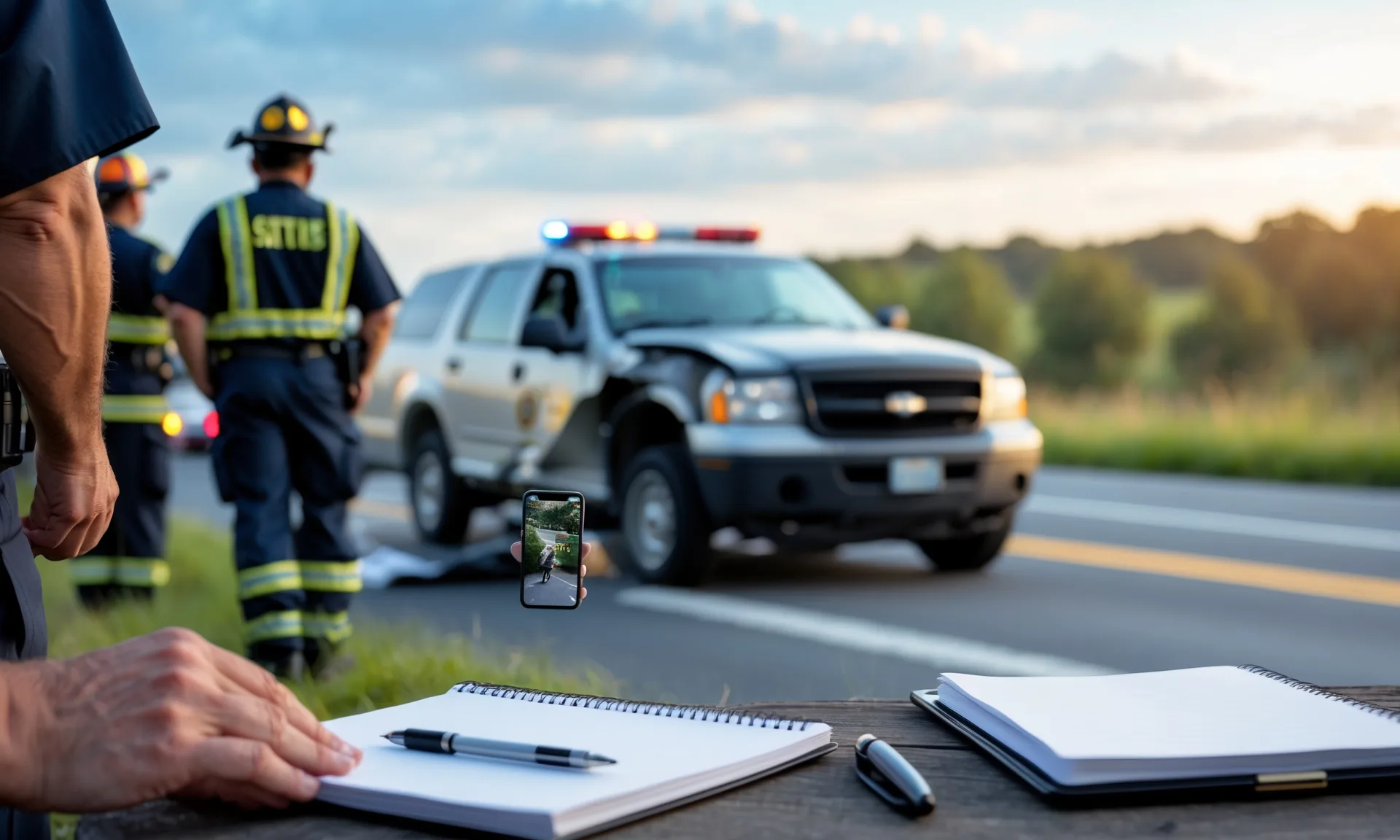

Accidents can happen in an instant, but the steps you take immediately afterward can shape your recovery and your rights. Whether you’re a business owner, a developer who travels for work, or a local resident, knowing exactly what to do after a collision is crucial. This Missouri Accident Response Guide walks you through the first calls, photos, and reports you need to protect yourself, your passengers, and your claim. With semi truck crashes and other serious incidents on the rise in the region, understanding the right moves can make all the difference. From documenting the scene to dealing with insurance adjusters, this guide is designed to help you stay calm, organized, and ready to act if the unexpected happens. Read on to discover actionable steps and insider tips that can help you avoid common mistakes and secure the evidence you need—right from the roadside.
Missouri Accident Response Guide for Kansas City
When an accident strikes, your first priority is always safety. But after checking for injuries and moving to a safe area, your next steps can set the tone for everything that follows. In the aftermath of semi truck crashes or other collisions, the first few minutes are critical. Start by calling 911—even if the crash seems minor. Emergency responders will secure the scene and create an official record, which is essential for any future claims.
Once help is on the way, exchange information with the other driver, including names, contact details, insurance information, and vehicle registration. Be polite but avoid discussing fault or making statements that could be used against you later. If you’re involved in a commercial vehicle incident, such as semi truck crashes, collect the trucking company’s details as well. This information will be vital for your lawyer and insurance company.
Take a few moments to breathe and assess the situation. If you have passengers, check on their well-being and reassure them. Documenting the scene starts now—use your phone to capture photos of the vehicles, the road, and any visible injuries. These images can become powerful evidence later. Remember, the area’s unique traffic patterns and road conditions can play a role in your claim, so don’t overlook details like skid marks, debris, or damaged road signs.
Finally, make a quick note of the weather, lighting, and any unusual circumstances. These small observations can help your attorney reconstruct the events and support your version of what happened. By acting quickly and methodically, you’re laying the groundwork for a strong case and a smoother recovery process.
Missouri Accident Response Guide for Kansas City, MO
After the immediate danger has passed, it’s time to focus on the details that will protect your interests. One of the most important steps is to contact a Kansas City car accident lawyer as soon as possible. An experienced attorney can advise you on what to say (and what not to say) to insurance adjusters, help you preserve evidence, and guide you through the complex claims process.
While waiting for law enforcement to arrive, continue documenting everything you can. Take wide shots of the entire scene and close-ups of vehicle damage, license plates, and any relevant road features. If there are witnesses, ask for their names and contact information. Their statements can be invaluable, especially if fault is disputed.
In the region, collisions involving large trucks or commercial vehicles often require special attention. Trucking companies and their insurers are quick to deploy their own investigators, so acting fast is crucial. Your lawyer can help you request official reports, obtain surveillance footage from nearby businesses, and ensure that critical evidence isn’t lost or altered.
Don’t forget to notify your own insurance company promptly, but be cautious about providing recorded statements or signing documents before consulting with your attorney. Insurance adjusters are trained to minimize payouts, and even innocent remarks can be twisted to undermine your claim. By having a professional advocate on your side from the start, you’re taking a proactive step toward protecting your rights and securing fair compensation.
Missouri Accident Response Guide for Kansas City, Missouri
In Missouri, the process of gathering and preserving evidence is especially important due to the state’s comparative fault rules. This means that your compensation can be reduced if you’re found partially at fault. That’s why it’s vital to be thorough and methodical in your accident response.
Start by making a written record of your recollection of events as soon as possible. Memory can fade quickly, especially after a traumatic incident. Jot down what happened before, during, and after the crash, including any conversations you had with the other driver or witnesses. This personal account can help your Kansas City personal injury lawyer build a compelling narrative for your case.
If you notice any surveillance cameras nearby—such as those at traffic lights, businesses, or homes—make a note of their locations. Your attorney can request this footage before it’s deleted or overwritten. In addition, keep track of any medical treatment you receive, from the first responders at the scene to follow-up visits with your doctor. Medical records are a cornerstone of any injury claim.
Finally, be mindful of your social media activity. Insurance companies often scour online profiles for posts or photos that could contradict your injury claims. Avoid discussing the accident or your recovery online until your case is resolved. By taking these steps, you’re giving yourself the best chance at a successful outcome in this city and beyond.
Key Calls and Reports After a Missouri Crash
Once the dust settles, the process of filing reports and making the right calls begins. Missouri law requires that you report any accident involving injury, death, or property damage over $500 to the police. Even if law enforcement responds to the scene, it’s wise to follow up and request a copy of the official accident report for your records.
Beyond the police report, you may need to file additional documentation with the Missouri Department of Revenue, especially if the other driver was uninsured. Your lawyer can help you navigate these requirements and ensure you don’t miss critical deadlines.
If your accident involved multiple vehicles or resulted in a chain reaction, understanding the nuances of liability is key. For more insights on complex scenarios, see What Missouri Victims Should Know About Rear-End Accidents Involving Multiple Cars. These situations often require a detailed investigation and expert analysis to determine who is truly at fault.
Additionally, keep a log of all phone calls, emails, and correspondence related to your accident. This includes interactions with insurance adjusters, medical providers, and repair shops. Having a clear paper trail can help resolve disputes and ensure you’re not caught off guard by conflicting statements or missing information.
Documenting Semi Truck Crashes and Complex Collisions
Collisions involving commercial vehicles, such as semi truck crashes, present unique challenges. These cases often involve multiple parties, including trucking companies, drivers, and insurers. The evidence you collect at the scene can make a significant difference in the outcome of your claim.
Start by photographing the truck from all angles, capturing details like company logos, USDOT numbers, and any visible damage. If cargo has spilled or hazardous materials are involved, document these as well. Note the positions of all vehicles, the condition of the road, and any traffic control devices nearby.
If both drivers are blaming each other, or if fault is unclear, it’s essential to seek legal guidance. For more on handling disputes, visit When Both Drivers Blame Each Other: Missouri Fault Disputes in Injury Claims. Your attorney can help coordinate accident reconstruction experts and obtain electronic data from the truck’s onboard systems, which can provide valuable insights into speed, braking, and driver actions before the crash.
In these complex scenarios, thorough documentation and professional advocacy are your best tools for ensuring a fair resolution. Don’t hesitate to reach out for help if you’re unsure what steps to take.
Essential Photos and Evidence Checklist
Capturing the right evidence at the scene can make or break your claim. Use this checklist to ensure you don’t miss any crucial details:
- Wide shots of the entire accident scene, showing vehicle positions and surroundings
- Close-ups of all vehicle damage, including license plates and VINs
- Photos of skid marks, debris, and road conditions
- Images of any injuries, no matter how minor
- Traffic signs, signals, and any relevant landmarks
- Weather and lighting conditions at the time of the crash
- Contact information for witnesses and first responders
Organize your photos and notes as soon as possible. Back them up digitally and share copies with your attorney. The more detailed your documentation, the stronger your position will be when negotiating with insurers or presenting your case in court.
Table: Missouri Accident Response Timeline
How to Handle Insurance Adjusters and Avoid Common Pitfalls
Dealing with insurance adjusters can be one of the most stressful parts of the accident aftermath. Remember, their job is to minimize payouts—not to look out for your best interests. Be polite but cautious in your communications. Stick to the facts, avoid speculating about fault, and never admit guilt or downplay your injuries.
Before giving any recorded statement or signing documents, consult with your attorney. Insurance companies may pressure you to settle quickly, but early offers are often far below what you’re entitled to. Take your time, review all paperwork carefully, and don’t hesitate to ask questions. Your legal team can help you understand your rights and negotiate a fair settlement.
Keep a detailed log of all interactions with adjusters, including dates, times, and the names of people you speak with. This record can be invaluable if disputes arise later. By staying organized and informed, you can avoid common pitfalls and ensure your claim is handled properly.
Medical Care and Follow-Up After a Missouri Accident
Getting prompt medical attention after a crash is not just important for your health—it’s also essential for your legal claim. Even if you feel fine, some injuries may not show symptoms right away. Visit a doctor as soon as possible and follow their recommendations for treatment and follow-up care.
Keep copies of all medical records, bills, and prescriptions. These documents provide a clear link between the accident and your injuries, which is crucial for securing compensation. If you miss work due to your injuries, document your lost wages and any other related expenses.
Stay in touch with your healthcare providers and attend all scheduled appointments. Consistent treatment demonstrates the seriousness of your injuries and helps prevent insurance companies from arguing that your condition isn’t as severe as you claim. By prioritizing your recovery, you’re also strengthening your legal position.
The Road Ahead
Navigating the aftermath of a collision can feel overwhelming, but having a clear plan makes all the difference. By following the Missouri Accident Response Guide, you’re taking proactive steps to protect your health, your rights, and your financial future. Whether you’re dealing with semi truck crashes, multi-vehicle pileups, or more routine fender-benders, the right documentation and timely action can set you up for success.
Remember to stay calm, collect thorough evidence, and seek professional advice as soon as possible. Each accident is unique, and the details matter. By keeping this guide in mind, you’ll be ready to respond effectively if the unexpected happens on Missouri’s roads. Your safety and peace of mind are worth the extra effort—and with the right approach, you can move forward with confidence.
Related Service
Looking for professional Motor Vehicle Accident Lawyer in Kansas City?
Visit our dedicated service page to learn more about what we offer in Kansas City, MO.
Kansas City Motor Vehicle Accident Lawyer →