

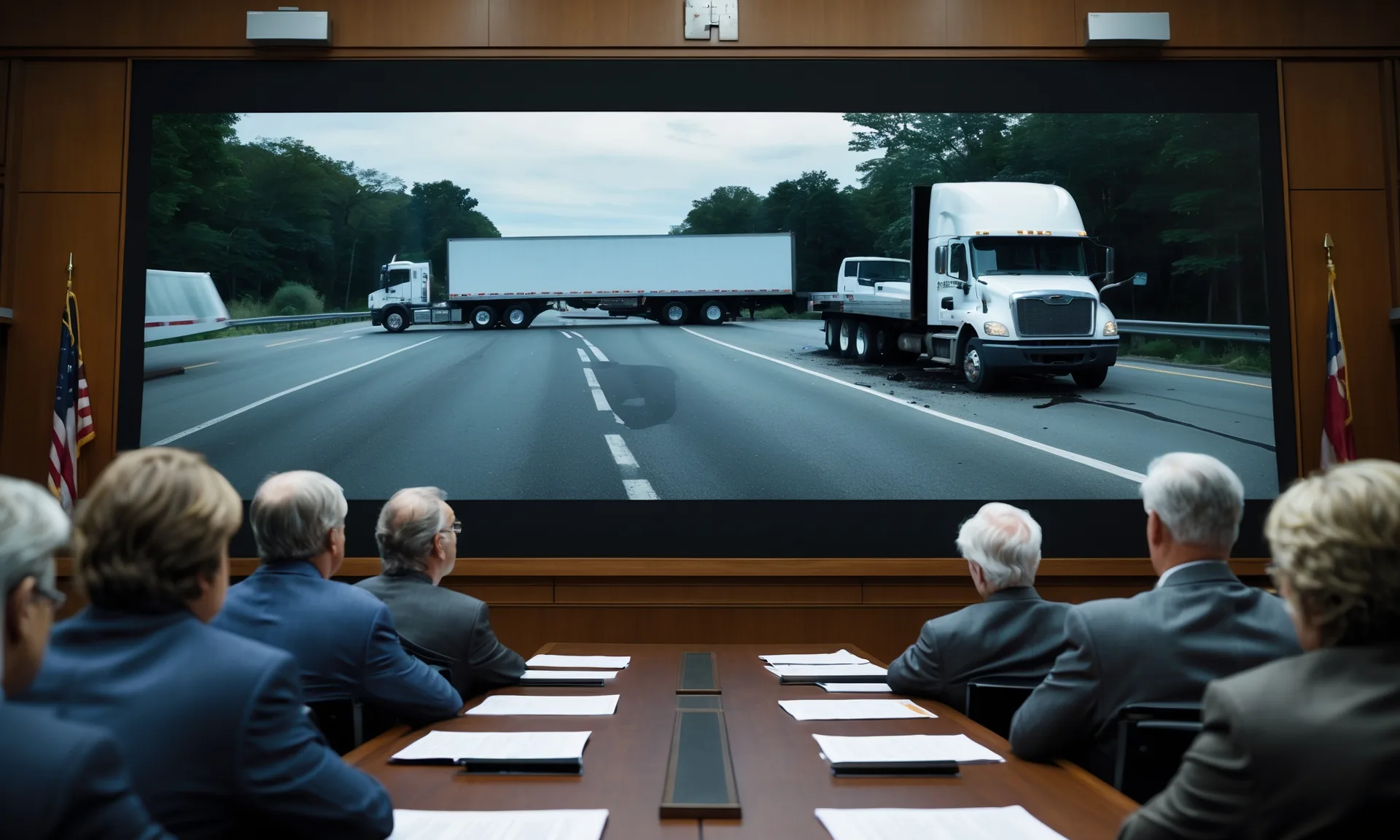

When a semi-truck accident happens in Missouri, the aftermath can be overwhelming for everyone involved. The stakes are high: injuries are often severe, property damage is extensive, and the legal complexities can feel insurmountable. For anyone facing the aftermath of semi truck crashes, understanding the power of traffic camera footage can make a world of difference. This technology is increasingly becoming a game-changer in personal injury cases, offering clear, unbiased accounts of what truly happened on the road. Whether you’re a small business owner with a fleet, a developer interested in urban safety, or simply a local resident, knowing how this evidence works—and how it can be used by a law firm like Kendall Law Group—can be crucial. In this article, we’ll break down exactly how traffic camera footage can impact a Missouri semi-truck injury case, from uncovering the truth to influencing settlement negotiations. We’ll explore the process of obtaining footage, the legal hurdles, and the real-world impact on claims. Let’s dive into how this vital evidence can shape the outcome of your case and why it’s essential to act quickly when a crash occurs.
How Traffic Camera Footage Impacts Semi Truck Crashes in Kansas City
In recent years, the use of traffic camera footage in semi truck crashes has become a pivotal factor in determining liability and securing fair compensation. These cameras, positioned at intersections and along major routes, capture critical moments before, during, and after collisions. For those involved in semi truck crashes, this footage can provide an objective account that cuts through conflicting witness statements and biased reports. When a law firm is building a case, having access to clear video evidence can dramatically shift the balance, making it easier to prove negligence or defend against unfounded claims.
For example, consider a scenario where a semi-truck is accused of running a red light. Eyewitnesses may disagree or recall events differently, but traffic camera footage can show exactly what happened, down to the second. This level of detail is invaluable for attorneys, insurance adjusters, and even juries. The footage can reveal factors like speed, weather conditions, and the behavior of other vehicles, all of which are essential in reconstructing the events leading up to a crash.
Accessing this evidence quickly is crucial, as many municipalities only retain footage for a short period. That’s why contacting a law firm with experience in handling semi truck crashes is vital. They understand the urgency and know the right channels to request and preserve this footage before it’s lost forever. Ultimately, traffic camera footage can mean the difference between a drawn-out dispute and a swift, just resolution for all parties involved.
Securing Traffic Camera Evidence for Semi Truck Crashes in Kansas City, MO
Obtaining traffic camera footage after semi truck crashes in Kansas City, MO involves a race against time. Most public agencies, such as the Missouri Department of Transportation or local police, only store footage for a limited window—sometimes as short as 72 hours. For injured parties and their attorneys, this means acting fast is not just helpful; it’s essential. The process typically starts with identifying which cameras may have captured the incident and then submitting formal requests to the appropriate agencies.
A law firm familiar with these procedures can expedite the process, ensuring that critical footage is preserved before it’s overwritten or deleted. In some cases, private businesses or property owners may also have relevant surveillance cameras facing the roadway. Experienced attorneys know how to reach out to these sources and secure additional evidence that could strengthen a claim.
The legal requirements for obtaining footage can be complex, involving subpoenas, Freedom of Information Act (FOIA) requests, or even court orders. That’s where working with a team like Kendall Law Group can make all the difference. Their knowledge of local procedures and relationships with agencies can help ensure that no stone is left unturned when gathering evidence for semi truck crashes. The right footage, secured in time, can provide a clear narrative that supports your version of events and helps achieve a fair outcome.
Why Traffic Camera Footage Matters in Missouri Semi Truck Crashes
Missouri semi truck crashes often involve multiple vehicles, complex roadways, and split-second decisions. In these situations, traffic camera footage serves as an impartial witness that can clarify what really happened. Unlike human observers, cameras don’t forget details or get distracted. They document events exactly as they unfold, providing a timeline that is difficult to dispute.
For insurance companies, this footage can be the deciding factor in whether a claim is approved or denied. When liability is unclear, having a visual record removes much of the guesswork. For injured parties, this means a better chance of recovering damages for medical expenses, lost wages, and pain and suffering. For trucking companies and their insurers, it can also mean protection against fraudulent or exaggerated claims.
If you’re involved in semi truck crashes, it’s important to act quickly to preserve any available footage. Consulting with a legal team that understands the nuances of Missouri law and the importance of timely evidence collection can help you avoid costly mistakes. Learn more about your options by visiting this page on semi truck crashes and how legal professionals can assist in gathering and leveraging traffic camera evidence for your case.
Legal Hurdles and Admissibility of Traffic Camera Footage
While traffic camera footage can be incredibly persuasive, there are legal hurdles to its use in court. First, the footage must be authenticated, meaning it must be proven to be a true and accurate representation of the events it purports to show. This often involves testimony from the agency or individual responsible for maintaining the camera system. Chain of custody is also critical; if the footage has been edited, tampered with, or improperly stored, its admissibility can be challenged.
Privacy concerns can also arise, especially if the footage captures people or vehicles not involved in the crash. Missouri law balances the need for evidence with the rights of individuals to privacy, so attorneys must navigate these issues carefully. In some cases, footage may only be released under a court order or with redactions to protect privacy.
To maximize the impact of traffic camera evidence, it’s essential to work with legal professionals who understand these nuances. For a deeper dive into how documentation and evidence play a role in Missouri truck accident claims, see Missouri Truck Accident Claims and the Power of Immediate Medical Documentation. Proper handling of footage from the moment it’s obtained can make or break a case, so don’t leave this critical step to chance.
When Traffic Camera Footage Isn’t Enough: Supplementing with Other Evidence
While traffic camera footage is a powerful tool, it’s not always available or conclusive. Cameras may not cover every angle, may malfunction, or may not have recorded the crucial moment. In such cases, it’s essential to supplement with other forms of evidence—such as dashcam videos, eyewitness testimony, accident reconstruction reports, and physical evidence from the scene.
A comprehensive approach to evidence gathering ensures that your case doesn’t hinge on a single piece of footage. For example, black box data from the truck, maintenance records, and driver logs can all provide additional context. Sometimes, the cause of a crash may be linked to factors like defective parts or improper repairs. For more on how these elements can influence liability and compensation, read Defective Parts, Bad Repairs, and Semi-Truck Wrecks in Missouri: Who Pays?. By building a robust case with multiple sources of evidence, you increase your chances of a favorable outcome, even if traffic camera footage is incomplete or unavailable.
The Role of Technology in Modern Semi Truck Crash Investigations
Technology has transformed the way semi truck crashes are investigated and litigated. In addition to traffic camera footage, investigators now rely on a range of digital tools to reconstruct accidents and determine fault. Drones can capture aerial views of crash scenes, while advanced software can analyze footage frame by frame to pinpoint the exact sequence of events. GPS data from trucks and other vehicles can also be cross-referenced with video to establish speed, location, and movement patterns.
This technological evolution means that both plaintiffs and defendants have access to more detailed and reliable evidence than ever before. For legal teams, the challenge is not just gathering this information, but also presenting it in a way that is understandable and compelling to judges and juries. Visual aids, animations, and expert testimony can help translate complex data into a clear narrative that supports your claim.
Ultimately, the integration of technology into crash investigations levels the playing field, ensuring that truth—not speculation—guides the outcome of semi truck injury cases. Staying abreast of these advancements is essential for anyone involved in such cases, whether as a victim, business owner, or legal professional.
How Traffic Camera Footage Influences Settlement Negotiations
One of the most significant impacts of traffic camera footage in semi truck crashes is its effect on settlement negotiations. When both sides have access to clear, objective video evidence, there’s less room for dispute about the facts. Insurance companies are more likely to offer fair settlements when they know the evidence supports the injured party’s claims. Conversely, if the footage shows the truck driver was not at fault, it can protect the trucking company from unjust liability.
Attorneys often use traffic camera footage as leverage during negotiations, presenting it to adjusters or opposing counsel to demonstrate the strength of their case. This can lead to faster resolutions and reduce the need for lengthy, expensive trials. For business owners and individuals alike, this means less time spent in legal limbo and a quicker path to recovery.
Ultimately, the presence of traffic camera footage streamlines the claims process, making it easier to reach agreements that reflect the true circumstances of the crash. This is especially important in the area, where semi truck crashes can have far-reaching consequences for victims and their families.
What Small Business Owners and Developers Should Know
For small business owners who operate commercial vehicles or developers involved in urban planning, understanding the role of traffic camera footage in semi truck crashes is essential. Not only does this evidence protect your interests in the event of a crash, but it also offers insights into traffic patterns and safety concerns in the community. By advocating for more cameras in high-risk areas, business leaders and developers can contribute to safer roads and better outcomes for everyone.
Additionally, having policies in place for responding to crashes—including immediate notification of legal counsel and prompt requests for camera footage—can make a significant difference in the aftermath of an incident. Proactive planning and awareness of local resources can help ensure that your business is prepared to handle the challenges of semi truck crashes effectively.
Developers can also use traffic camera data to inform infrastructure improvements, identify problem intersections, and advocate for changes that reduce the risk of future crashes. By leveraging this technology, stakeholders can play a direct role in making the neighborhood safer for everyone who lives, works, and travels here.
The Road Ahead
Traffic camera footage is rapidly becoming one of the most important tools in Missouri semi truck injury cases. Its ability to provide clear, unbiased evidence helps level the playing field for individuals, businesses, and insurers alike. As technology continues to advance, the role of video evidence will only grow, making it essential for anyone involved in semi truck crashes to understand how to access and use this resource effectively.
If you find yourself facing the aftermath of a crash, remember that time is of the essence. Acting quickly to secure footage and consult with experienced legal professionals can make all the difference in the outcome of your case. Whether you’re protecting your business, seeking justice for an injury, or working to improve safety in this city, traffic camera footage is a powerful ally on the road to resolution.
By staying informed and proactive, you can ensure that your rights and interests are protected—no matter what challenges the road may bring.
Related Service
Looking for professional Motor Vehicle Accident Lawyer in Kansas City?
Visit our dedicated service page to learn more about what we offer in Kansas City, MO.
Kansas City Motor Vehicle Accident Lawyer →