

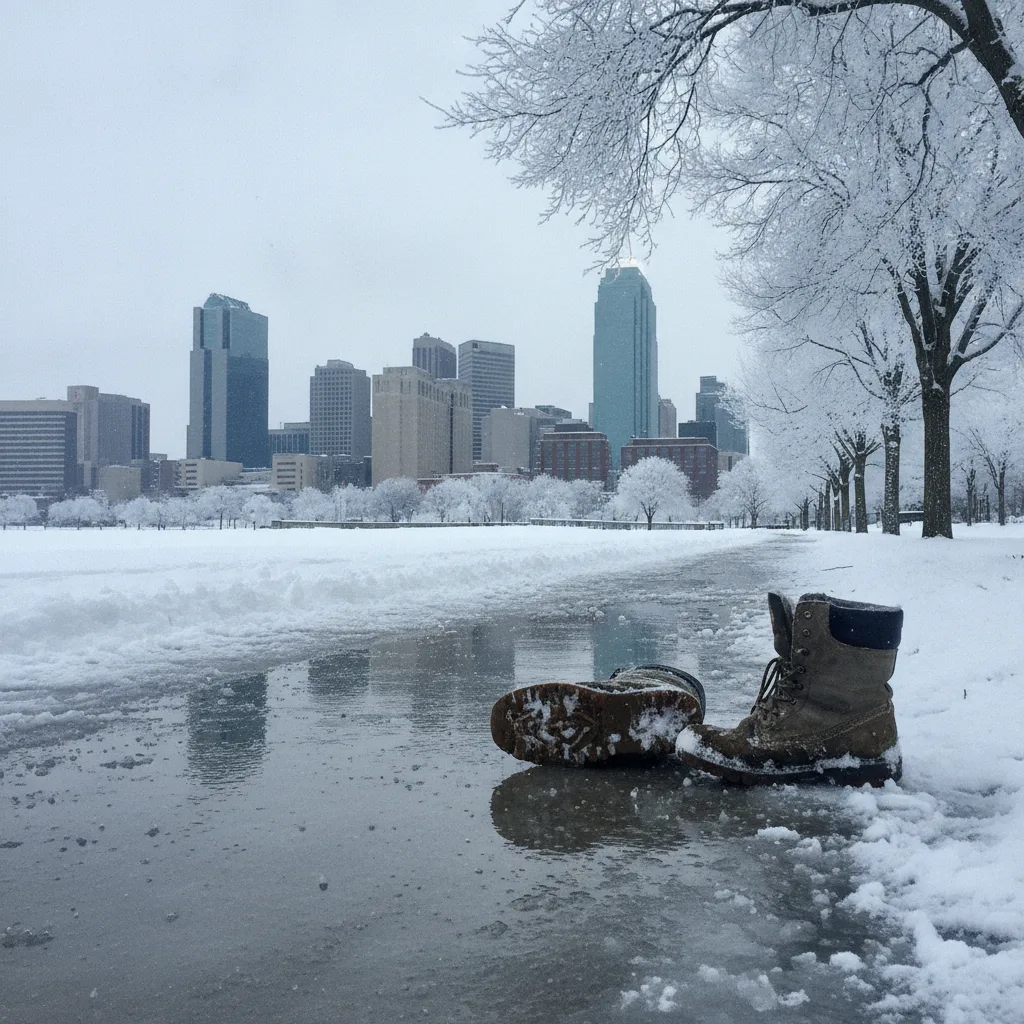
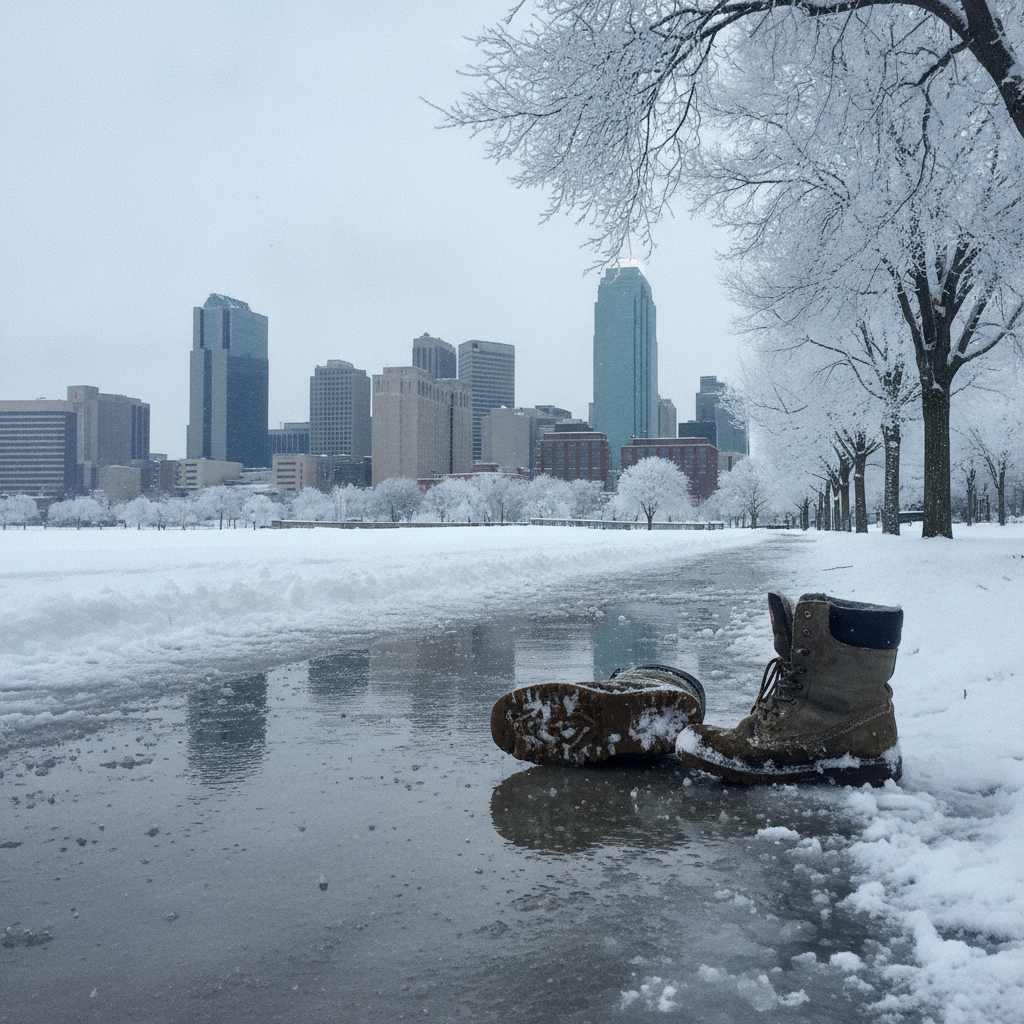
Winter storms, icy sidewalks, and unpredictable weather can turn a quick trip outside into a dangerous situation. For small business owners, property developers, and anyone living or working in the area, understanding how weather and outdoor hazards impact slip and fall claims is essential. These accidents can lead to serious injuries, expensive medical bills, and complicated legal questions about who is responsible. If you’ve ever wondered how a slip and fall lawyer KC can help when the weather turns hazardous, or what steps you can take to protect your property and your rights, you’re not alone. This article explores the unique challenges posed by weather, ice, and other outdoor dangers, and how they shape liability and legal claims in this community. Whether you’re a business owner looking to minimize risk, a property manager aiming to keep visitors safe, or a resident wanting to know your rights, this guide will walk you through the key factors that influence slip and fall cases when the elements are at play.
How Weather Conditions Complicate Outdoor Liability
Weather is a major factor in slip and fall incidents, especially during the colder months. Rain, sleet, snow, and freezing temperatures can quickly turn sidewalks, parking lots, and entryways into hazardous zones. For property owners, these conditions raise important questions about responsibility. Is it reasonable to expect every patch of ice to be cleared immediately after a storm? What if a sudden freeze occurs overnight? The law often considers what a “reasonable” property owner would do under similar circumstances. This means that timing, severity of the weather, and the practicality of taking action all matter when evaluating liability.
For example, if a business owner fails to salt a walkway after a forecasted ice storm, and someone slips the next morning, the owner may be held responsible for not taking timely action. However, if freezing rain begins just minutes before an accident, liability may be less clear. Courts often look at weather reports, maintenance logs, and witness statements to determine whether the property owner acted reasonably. Consulting a slip and fall lawyer KC can help clarify these complex issues and assess whether a claim is likely to succeed.
The unpredictable nature of weather in this region means that both property owners and visitors must stay vigilant. While owners have a duty to address known hazards, visitors are also expected to exercise caution. The balance between these responsibilities is at the heart of many slip and fall claims involving weather-related hazards.
The Role of Ice and Snow Removal Practices
Ice and snow are notorious for causing slips and falls, but the legal implications go beyond simply shoveling a sidewalk. Property owners, especially those running businesses or managing rental properties, must develop consistent removal practices. This includes timely shoveling, salting, and monitoring for re-freezing. Documentation is key: keeping records of when and how surfaces are cleared can make a significant difference if a claim arises.
Small business owners should consider establishing a written snow and ice removal policy. Not only does this help protect customers and employees, but it also provides evidence of due diligence. In some cases, local ordinances may set minimum requirements for snow and ice removal. Failing to comply can increase liability. On the other hand, taking proactive measures, such as posting warning signs or closing off hazardous areas, can demonstrate a commitment to safety.
If an accident occurs despite these efforts, the details matter. Was the area recently treated? Did the weather change suddenly? Was there black ice that was not visible? These questions are central to determining fault. For more information on how legal professionals can assist with these issues, visit Kendall Law Group | Personal Injury Lawyer.
Ultimately, consistent and well-documented snow and ice removal practices not only reduce the risk of accidents but also strengthen a property owner’s defense if a claim is made. Being proactive is always better than reacting after an incident has occurred.
Outdoor Hazards Beyond Weather: Landscaping, Lighting, and Design
While weather is a leading cause of outdoor slip and fall incidents, other hazards can be just as dangerous. Poorly maintained landscaping, inadequate lighting, and flawed design all contribute to accidents. Overgrown bushes can hide uneven pavement, while tree roots may crack sidewalks and create tripping hazards. Inadequate lighting makes it difficult for visitors to see icy patches or debris at night, increasing the risk of falls.
Property design also plays a role. Sloped walkways, steps without handrails, and poorly drained surfaces can all become more hazardous in wet or icy conditions. Business owners and developers should regularly inspect their properties for these risks and address them promptly. Installing non-slip surfaces, improving drainage, and upgrading lighting are practical steps that can prevent accidents.
When a slip and fall occurs, investigators often look beyond the weather to identify other contributing factors. Was the area poorly lit? Was landscaping allowed to encroach on walkways? These details can shift liability or increase the chances of a successful claim. For a deeper dive into the types of evidence that support these cases, see What Evidence Helps Prove a Slip and Fall Case in Kansas City.
Ultimately, addressing outdoor hazards is a year-round responsibility. Regular maintenance and thoughtful design not only keep visitors safe but also protect property owners from costly legal battles.
Legal Standards for Slip and Fall Claims in Kansas City
Legal standards for slip and fall claims hinge on the concept of negligence. In this city, property owners owe a duty of care to visitors, which means they must take reasonable steps to prevent foreseeable harm. However, what counts as “reasonable” varies depending on the circumstances. For example, a business owner is generally expected to inspect and maintain public areas, especially after storms or during periods of freezing temperatures.
The law also considers whether the injured person was acting carefully. If someone ignores warning signs or ventures into clearly hazardous areas, their own actions may reduce or even eliminate the property owner’s liability. Comparative fault rules can come into play, meaning that compensation may be reduced if the injured person is found partially responsible for their own accident.
Timeliness is another factor. Property owners are not expected to clear every hazard the moment it appears, but unreasonable delays can lead to liability. For a more comprehensive look at property owner obligations, check out Kansas City Slip and Fall Claims: What Property Owners Must Do to Keep Visitors Safe.
Understanding these legal standards is crucial for both property owners and those injured in slips and falls. Knowing your rights and responsibilities can make all the difference when navigating a claim.
Insurance Policies and Weather-Related Claims
Insurance coverage is a critical piece of the slip and fall puzzle. Most commercial and homeowner policies cover liability for injuries on the property, but weather-related claims can be complex. Insurance companies will often scrutinize whether the property owner took reasonable steps to prevent accidents, such as salting icy walkways or warning of dangerous conditions. Failing to follow recommended safety practices may result in denied claims or increased premiums.
It’s important for property owners to review their policies before winter arrives. Some policies may exclude certain weather events or require additional riders for full coverage. Keeping detailed records of maintenance and weather conditions can help support a claim if an accident occurs. For business owners, ensuring that employees are trained in safety procedures can also reduce risk and demonstrate compliance with insurance requirements.
If a slip and fall claim is filed, the insurance adjuster will investigate the circumstances, including the timing of the incident, weather conditions, and any preventive measures taken. Cooperation and transparency during this process are essential for a favorable outcome. Understanding your policy’s coverage limits and exclusions ahead of time can prevent unpleasant surprises if a claim arises.
Ultimately, a proactive approach to insurance and safety can help property owners manage risk and respond effectively when weather-related accidents occur.
Comparative Fault: When Both Sides Share Responsibility
Not every slip and fall is solely the fault of the property owner. In many cases, the injured person’s actions are also considered. For example, if someone walks through a clearly marked icy area or ignores warning signs, their share of responsibility may reduce the property owner’s liability. This is known as comparative fault, and it’s a common aspect of slip and fall claims involving weather or outdoor hazards.
In practice, this means that if a court finds the injured person was 30% responsible for their own fall, their compensation may be reduced by that percentage. Property owners can strengthen their defense by posting visible warnings, closing off hazardous areas, and documenting all safety efforts. On the other hand, visitors should always exercise caution and heed posted warnings to protect their rights in the event of an accident.
Comparative fault emphasizes the shared responsibility for safety. Both property owners and visitors must act reasonably to prevent accidents. When both sides fulfill their duties, the risk of injury, and legal disputes, drops significantly.
Understanding this principle can help all parties navigate the aftermath of a slip and fall and work toward fair outcomes.
Timeliness and Documentation: Keys to a Strong Claim
Timing is everything when it comes to slip and fall claims. Prompt action, whether it’s seeking medical care, reporting the incident, or documenting the scene, can make or break a case. For property owners, keeping detailed logs of maintenance, weather conditions, and safety measures is essential. For injured parties, taking photos, gathering witness statements, and preserving evidence can greatly improve the chances of a successful claim.
Documentation helps establish what happened, when it happened, and who may be responsible. In weather-related cases, this might include photographs of icy sidewalks, timestamps of snow removal, or records of weather alerts. The more information available, the easier it is to reconstruct the events and determine liability.
Both sides benefit from thorough documentation. Property owners can use it to show they acted responsibly, while injured individuals can demonstrate the conditions that led to their fall. In disputes, clear records often carry significant weight with insurers and courts.
Ultimately, timeliness and documentation are the backbone of any strong slip and fall claim, especially when outdoor hazards are involved.
How Local Businesses Can Proactively Reduce Risk
Local businesses play a crucial role in keeping their premises safe during adverse weather. Proactive risk management can prevent injuries and minimize legal exposure. This starts with regular property inspections, especially after storms or during freeze-thaw cycles. Assigning responsibility for snow and ice removal, training staff in safety protocols, and maintaining clear communication channels are all effective strategies.
Investing in non-slip mats, handrails, and improved lighting can further reduce hazards. Posting clear warning signs during inclement weather and closing off dangerous areas when necessary shows a commitment to customer and employee safety. Businesses should also review their insurance policies annually to ensure adequate coverage for weather-related incidents.
Community partnerships can also help. Working with neighboring businesses or property managers to coordinate snow removal or share resources can improve safety across larger areas. By fostering a culture of safety and preparedness, local businesses can protect themselves and the people who rely on them.
Taking these proactive steps not only reduces the risk of slip and fall accidents but also builds trust with customers and the community.
Common Myths About Slip and Fall Claims
Slip and fall claims are often misunderstood, especially when weather is involved. One common myth is that property owners are always liable for accidents on their premises. In reality, liability depends on whether the owner acted reasonably under the circumstances. Another misconception is that minor injuries are not worth reporting or pursuing. Even seemingly minor falls can lead to long-term health issues and unexpected expenses.
Some believe that if a hazard is obvious, like a large patch of ice, victims cannot recover damages. While the law does expect visitors to exercise caution, property owners still have a duty to address known dangers. Others think that insurance will automatically cover any slip and fall, but coverage often depends on the specifics of the policy and the actions taken before and after the incident.
Understanding the facts about slip and fall claims helps both property owners and injured individuals make informed decisions. Dispelling these myths is the first step toward fair outcomes and safer communities.
Table: Comparing Common Outdoor Hazards and Prevention Strategies
Final Thoughts
Weather, ice, and outdoor hazards create unique challenges for property owners and visitors alike. Understanding how these factors influence slip and fall claims is essential for preventing accidents and protecting your rights. By taking proactive steps, such as maintaining safe walkways, documenting safety efforts, and staying informed about legal standards, property owners can reduce liability and create safer environments for everyone. For those who suffer injuries, prompt action and thorough documentation are key to building a strong claim. In a community where the weather can change in an instant, preparation and awareness are your best defenses. Whether you’re a business owner, developer, or resident, staying vigilant and informed is the first step toward safety and peace of mind.