

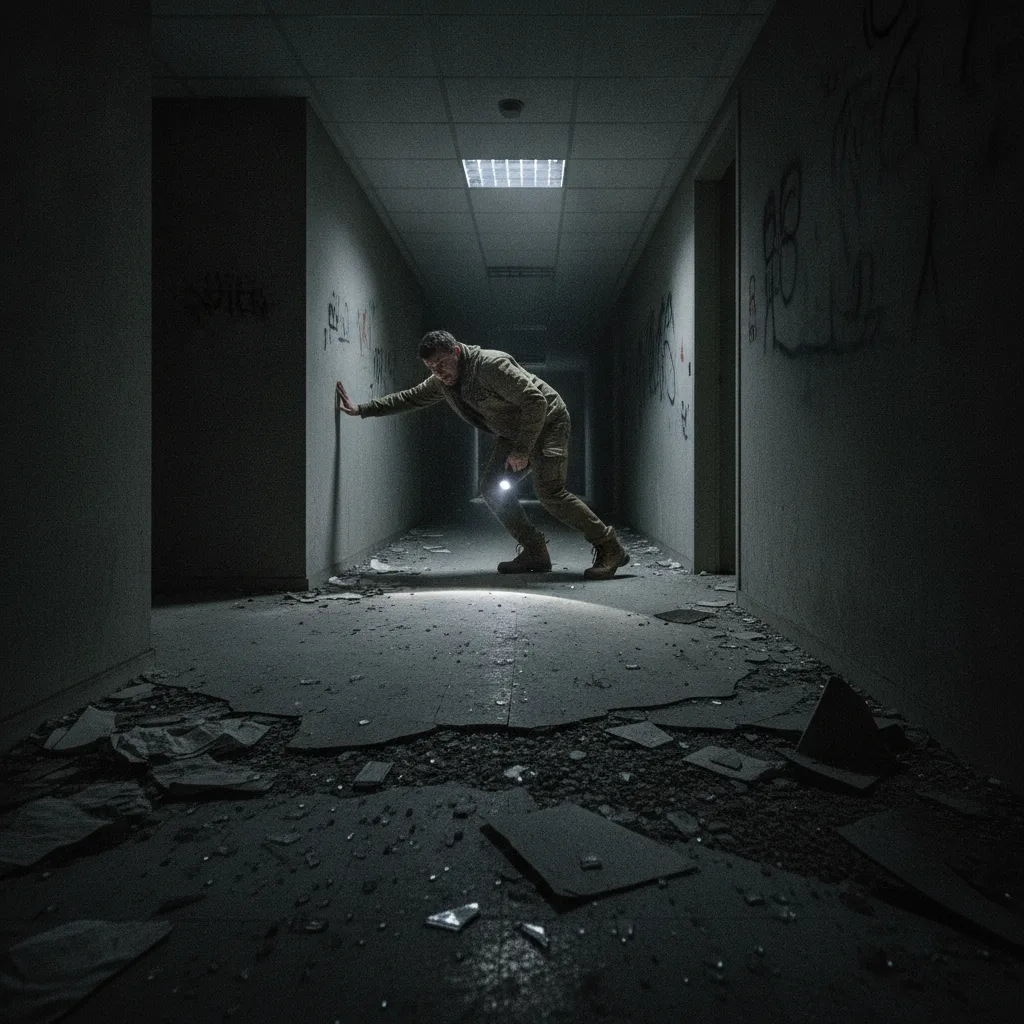
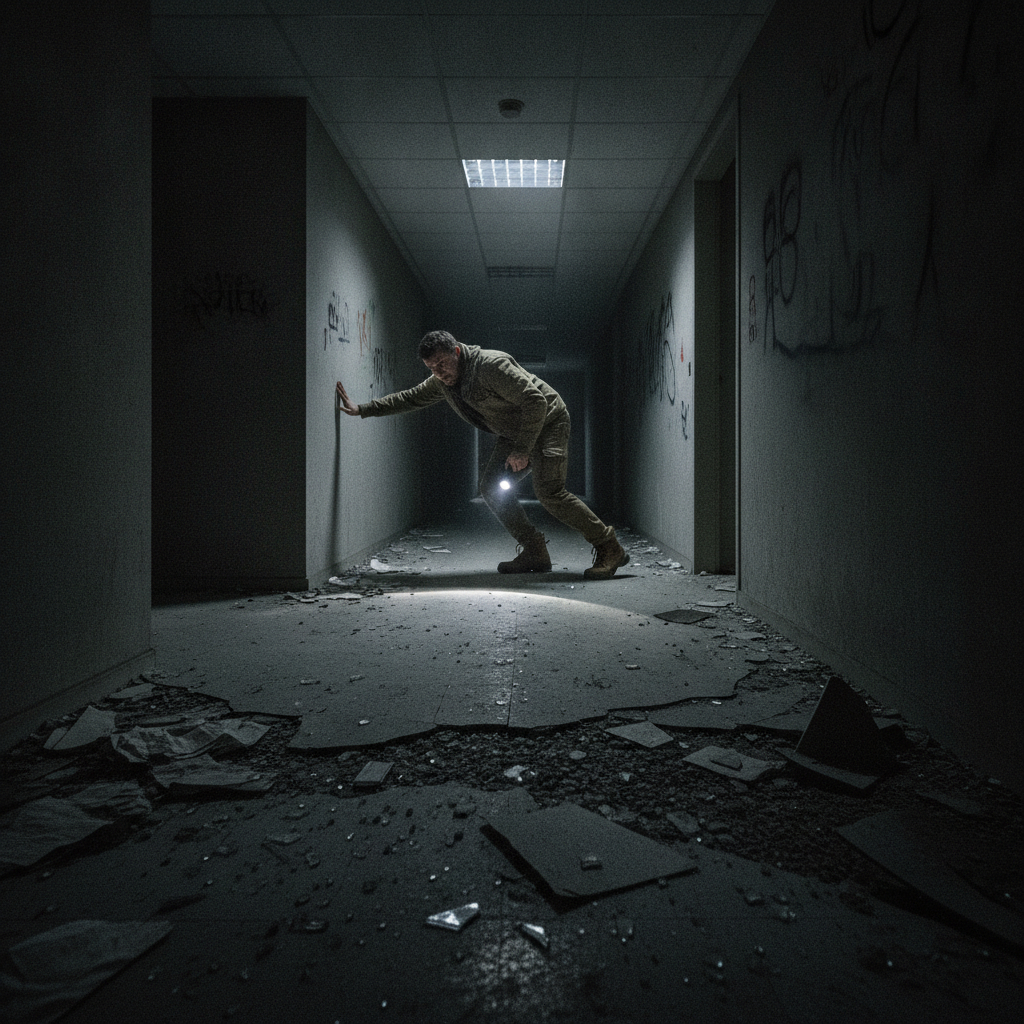
Slipping and falling might seem like a minor mishap, but for small business owners and property developers, these incidents can quickly become a major liability headache. Every year, countless people are injured because of unsafe floors, poor lighting, and hazardous walkways. These accidents don’t just result in medical bills and lost workdays, they can also trigger lawsuits that threaten the financial health of a business. If you’re a property owner in the area, understanding how everyday conditions can create legal exposure is crucial. This article explores why details like floor surfaces, lighting choices, and walkway maintenance matter so much, and how a slip and fall lawyer KC can help navigate the complexities of liability. We’ll break down the most common hazards, examine who’s responsible for fixing them, and offer practical tips for reducing your risk. Whether you’re a business owner, developer, or simply interested in community safety, this guide will help you see your property through a new, more careful lens.
Why Floor Surfaces Matter for Liability
The type and condition of your floors can make or break your defense in a slip and fall claim. Smooth tile, polished concrete, or worn linoleum may look clean, but they can become dangerously slippery when wet. Textured surfaces, on the other hand, provide better traction and reduce the likelihood of accidents. But it’s not just about the material, maintenance plays a huge role. Even the safest flooring can become a hazard if it’s cracked, loose, or covered in debris.
Business owners are expected to regularly inspect and repair their floors. This includes promptly cleaning up spills, replacing damaged tiles, and using non-slip mats in high-traffic areas. Failing to do so can open the door to liability if someone is hurt. In many cases, courts will look at whether the hazard was present long enough that a reasonable owner should have known about it and taken steps to fix it.
If you’re unsure whether your flooring choices are putting you at risk, consulting a professional or even a slip and fall lawyer KC can provide valuable insight. They can help you understand local safety standards and what courts typically expect from property owners in these situations.
The Impact of Lighting on Accident Risks
Lighting is often overlooked when assessing property safety, but it’s one of the most significant factors in preventing slips and falls. Dimly lit hallways, stairwells, and entryways can hide hazards like wet spots, uneven surfaces, or obstacles. When someone can’t see where they’re going, the risk of a fall increases dramatically.
It’s not just about having lights, it’s about having the right type and placement. Overhead lighting may not be enough in areas with shadows or corners. Motion-activated lights can be a smart choice for outdoor walkways, while emergency lighting is essential for power outages. Regularly checking for burned-out bulbs and ensuring fixtures are clean and functional can make a big difference.
Property owners who neglect lighting maintenance may be found negligent if an accident occurs. If you’re concerned about your lighting setup, reaching out to an experienced legal team like Kendall Law Group | Personal Injury Lawyer can help you understand your responsibilities and how to minimize your exposure.
Common Walkway Hazards in Commercial Spaces
Walkways are the arteries of any business or public space, guiding visitors from one area to another. Unfortunately, they’re also prime locations for slip and fall incidents. Uneven pavement, loose rugs, clutter, and unexpected steps can all trip up even the most careful pedestrian. Seasonal factors like rain, snow, or mud can make things even worse.
Regular inspection and maintenance are key. This means more than just sweeping up debris, it involves checking for cracks, making sure mats are flat and secure, and keeping walkways clear of boxes or merchandise. Outdoor paths should be treated for ice in winter and kept dry during rainy seasons.
If you’re unsure what hazards might be lurking in your walkways, reviewing recent cases like What Traffic Camera Footage Can Do for a Missouri Semi-Truck Injury Case can offer lessons in how evidence is used to determine fault. Even though the case may focus on vehicles, the principles of documenting hazards and showing due diligence apply to slip and fall cases as well.
How Maintenance Practices Affect Legal Outcomes
Maintenance isn’t just about keeping things tidy, it’s a critical part of your legal defense if someone is injured on your property. Courts often examine maintenance logs, cleaning schedules, and repair records to determine whether a property owner acted responsibly. Gaps in documentation can make it much harder to defend against a claim.
Routine checks should cover all high-traffic areas, including entrances, bathrooms, and stairways. Staff should be trained to recognize hazards and empowered to address them immediately. For larger properties, digital maintenance systems can help ensure nothing falls through the cracks.
Sometimes, accidents happen despite your best efforts. In those cases, understanding the role of maintenance in liability can help you respond effectively. For more on how maintenance and repairs play into legal claims, see Defective Parts, Bad Repairs, and Semi-Truck Wrecks in Missouri: Who Pays?, while focused on vehicles, the same logic often applies to property maintenance and liability.
Understanding Premises Liability Laws
Premises liability is the legal concept that holds property owners responsible for accidents that occur on their property due to unsafe conditions. In Missouri, the law generally requires property owners to keep their premises reasonably safe for visitors. This duty extends to customers, employees, and sometimes even trespassers, depending on the circumstances.
The key question in most slip and fall cases is whether the owner knew, or should have known, about the dangerous condition and failed to fix it. This is why regular inspections and prompt repairs are so important. If a hazard is obvious or has been reported by others, ignoring it can be seen as negligence.
Comparative fault may also come into play, meaning that if the injured person was partly responsible for their own accident (for example, by ignoring warning signs), their compensation could be reduced. Understanding these nuances is vital for anyone managing property in the region.
Identifying High-Risk Areas in Your Property
Every property has its own unique set of risk zones, but certain areas are more prone to slip and fall incidents. Entrances and exits, especially those exposed to the elements, are common trouble spots. Bathrooms, kitchens, and break rooms often have wet floors. Staircases and ramps require extra attention due to changes in elevation.
To identify these high-risk areas, walk your property with a critical eye, preferably during different times of day and in varying weather conditions. Look for signs of wear, water accumulation, or poor lighting. Ask employees and regular visitors for feedback on spots they find tricky or hazardous.
A proactive approach to identifying and addressing these zones can significantly reduce your liability. Regularly updating your risk assessment as your property evolves is a smart business practice.
The Role of Warning Signs and Temporary Barriers
Warning signs and barriers are essential tools for managing temporary hazards. Wet floor signs, cones, and caution tape alert visitors to potential dangers and show that you’re taking reasonable steps to protect them. However, these measures are only effective if they’re used correctly and promptly removed when the hazard is gone.
It’s important to train your staff on when and how to deploy warning signs. Leaving a “wet floor” sign out all day, for example, can reduce its effectiveness and may even be ignored. Similarly, failing to use a sign when needed can increase your liability if an accident occurs.
Temporary barriers are especially useful during repairs or cleaning. They not only keep people away from dangerous areas but also serve as evidence that you took action to prevent harm. Documenting the use of these tools can strengthen your legal position if a claim arises.
How Employee Training Reduces Slip and Fall Risks
Employees are your first line of defense against slip and fall accidents. Proper training ensures they know how to spot hazards, respond quickly, and communicate issues to management. This includes everything from cleaning up spills immediately to reporting broken lights or loose tiles.
Regular safety meetings and refresher courses can keep safety top-of-mind. Encourage staff to take ownership of their work areas and reward proactive behavior. Clear protocols for reporting and addressing hazards help create a culture of safety that benefits everyone.
Investing in employee training not only reduces the risk of accidents but also demonstrates your commitment to safety. This can be a powerful defense if you ever face a liability claim.
Documenting Safety Efforts for Legal Protection
In the event of a slip and fall claim, documentation is your best friend. Keeping detailed records of inspections, cleaning schedules, repairs, and employee training shows that you take safety seriously. Courts and insurance companies often look for this kind of evidence when determining liability.
Digital tools can make documentation easier and more reliable. Use apps or software to log maintenance tasks, upload photos of repairs, and track employee training sessions. Store these records securely and make sure they’re easily accessible if needed.
Good documentation not only helps defend against claims but can also identify patterns or recurring issues that need more attention. It’s a proactive step that pays dividends in both safety and legal protection.
Comparing Common Slip and Fall Hazards
Staying Ahead of Seasonal Hazards
Each season brings its own set of slip and fall risks. In winter, ice and snow can make entrances treacherous, while spring rains create slippery puddles inside and out. Summer may bring dust or sand, and autumn leaves can hide cracks or holes in walkways.
Staying ahead of these hazards means adjusting your maintenance routines throughout the year. Stock up on ice melt before the first freeze, install absorbent mats during rainy months, and schedule extra cleanings when needed. Communicate with your staff about seasonal risks and update your safety protocols as conditions change.
Proactive planning not only keeps your property safe but also demonstrates your commitment to visitor well-being, a factor that can weigh heavily in your favor if a claim arises.
Final Thoughts
Slip and fall liability is a real concern for anyone who owns or manages property in this community. By paying close attention to floors, lighting, and walkways, you can significantly reduce the risk of accidents and protect your business from costly legal claims. Regular maintenance, employee training, and thorough documentation are your best tools for staying ahead of potential hazards. Remember, the goal isn’t just to avoid lawsuits, it’s to create a safe, welcoming environment for everyone who visits your property. Taking these steps today can save you time, money, and stress tomorrow, while also building a reputation for safety and care in the region.