

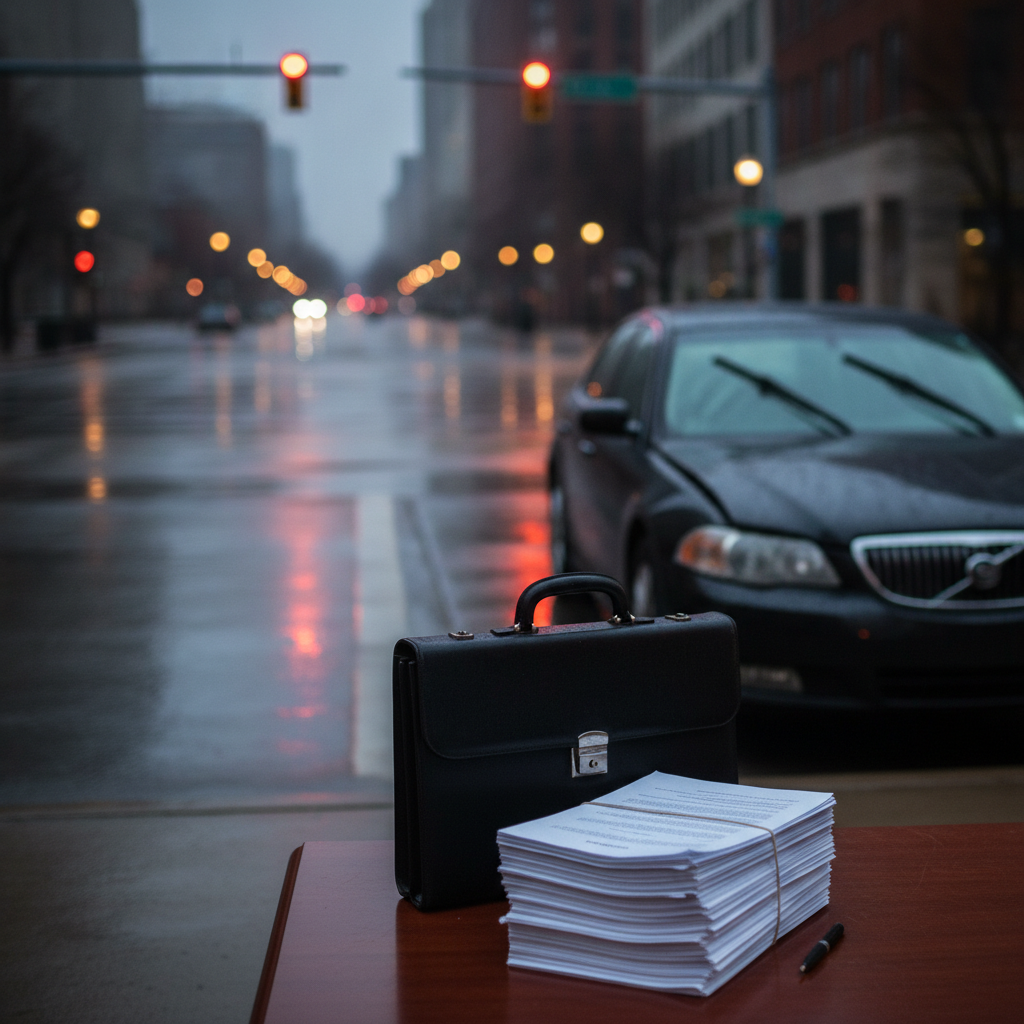
A drunk driving crash leaves more than twisted metal behind. It leaves medical bills, missed paychecks, sleepless nights, and a nagging question: who is actually going to pay for all of this? Most people assume the at-fault driver's auto insurance will cover everything. Sadly, that assumption often falls apart. Minimum policy limits can be exhausted by a single ambulance ride and a few days in the hospital, and a driver who chose to drink and get behind the wheel may have little else to their name. That is exactly why speaking with a personal injury lawyer Kansas City residents rely on can change the direction of your recovery.
Civil lawsuits after an impaired driving crash work differently from the criminal case the state may bring against the driver. A criminal prosecution punishes the offender. A civil claim exists to make the injured person whole, and it can reach sources of money that a basic insurance settlement never touches. Bars, restaurants, employers, social hosts, and even the injured person's own policies may come into play depending on the facts.
This guide walks through the ways victims can pursue compensation beyond the at-fault driver's insurance, what evidence matters, how punitive damages fit in, and how to protect your rights from the first hours after a crash. Whether you run a small business, work for one, or simply drive these roads every day, understanding these options before you need them is genuinely valuable.
Why Insurance Alone Often Falls Short
Missouri requires drivers to carry only modest liability coverage, and the limits many people choose are close to that legal floor. A serious injury can easily generate hospital charges, surgery costs, rehabilitation, and months of lost income that dwarf those limits. When the numbers do not match, the injured person is left holding the difference.
Drunk driving cases add another wrinkle. Some insurers dispute or limit coverage for intentional or criminal conduct, and some drivers have lapsed policies or none at all. Even when coverage exists, an adjuster's first offer is typically designed to close the file quickly and cheaply, not to account for future surgeries or permanent limitations.
Working with a Kansas City drunk driving accident lawyer early helps you identify every possible source of recovery before you accept anything. Settling too soon can waive rights against other responsible parties, so understanding the full picture first is not optional. It is the foundation of a stronger claim.
Civil Lawsuits Versus Criminal DUI Charges
Many victims are surprised to learn that a criminal DUI case and a civil injury lawsuit are two entirely separate tracks. The prosecutor represents the state, not you. A guilty plea or conviction may bring fines, probation, or jail time for the driver, but it does not automatically put money in your pocket for your injuries.
The civil case is yours. It uses a lower standard of proof, generally showing it is more likely than not that the defendant caused your harm, rather than proof beyond a reasonable doubt. That difference matters. A driver can be acquitted or have charges reduced and still be held financially responsible in civil court.
That said, the criminal record can be powerful evidence. Blood alcohol test results, field sobriety observations, arrest reports, and a guilty plea may all support your claim. Your attorney can coordinate timing so that the two cases do not undermine each other, and can monitor the criminal proceedings for facts that strengthen your position in the civil action.
Dram Shop Liability and Responsible Alcohol Service
One of the most important avenues beyond the driver's policy involves the business that served the alcohol. Many states allow claims against bars, restaurants, or liquor stores that serve a visibly intoxicated person or a minor who then causes a crash. Missouri's approach is notably narrow compared with many other states, and the rules for these claims are strict and fact specific.
In general, a viable claim may require showing that the establishment knowingly served someone who was visibly intoxicated, or sold alcohol to someone under the legal age. Receipts, credit card records, surveillance video, bartender statements, and witness accounts can all become critical, and that evidence disappears quickly if nobody preserves it.
Because these businesses usually carry commercial liability insurance with far higher limits than a typical driver, a successful claim can dramatically change what is recoverable. Experienced counsel at Kendall Law Group can evaluate whether the facts of your crash support this kind of claim and send preservation notices before records are overwritten or discarded.
Employers, Social Hosts, and Other Responsible Parties
Sometimes the driver was not acting entirely alone. If the person was driving a company vehicle, running a work errand, or traveling from a work-sponsored event where alcohol was served, an employer may share responsibility under the legal doctrine that holds businesses accountable for employees acting within the scope of their duties.
Negligent entrustment is another theory. If an owner handed over keys to someone they knew or should have known was impaired, the owner may be liable on top of the driver. Likewise, a company that negligently hired or supervised a driver with a known history of alcohol problems could face scrutiny.
Social host claims, where a private individual served alcohol at a party, are far harder to win under Missouri law and depend heavily on the circumstances. Even so, an honest evaluation of every connection between the driver and others is worth doing. For small business owners, this area carries a lesson in reverse: written alcohol policies, designated ride options, and clear rules for company vehicles reduce exposure and keep employees and the public safer.
Using Your Own Coverage: Underinsured and Medical Payments
Your own insurance policy may be a lifeline. Underinsured motorist coverage is designed to fill the gap when the at-fault driver's limits are too low to cover your losses. Uninsured motorist coverage helps when the driver has no policy at all. Both are optional add-ons that many people carry without realizing how valuable they can become.
Medical payments coverage can pay certain treatment expenses regardless of who was at fault, often quickly and without a lengthy dispute. Health insurance may also cover treatment, though it frequently comes with reimbursement rights that must be handled carefully so you are not surprised by a lien later.
Policies contain notice requirements and deadlines, and failing to follow them can jeopardize benefits. Reach out to an experienced Personal Injury Lawyer before giving a recorded statement to your own insurer or signing releases. Your carrier owes you duties, but it is still a business, and the way a claim is framed in the first conversation can influence everything that follows.
Punitive Damages in Impaired Driving Cases
Compensatory damages reimburse real losses. Punitive damages serve a different purpose: they punish especially reckless conduct and discourage others from behaving the same way. Because choosing to drive while intoxicated is a conscious decision that endangers everyone nearby, these cases are among the more common settings where punitive damages are considered.
Missouri law sets a demanding standard for punitive awards, generally requiring clear and convincing evidence of conduct that shows a deliberate disregard for the safety of others. A very high blood alcohol level, a prior history of impaired driving, or driving with a suspended license can all strengthen that argument.
There are practical considerations too. Punitive awards may not be covered by the driver's insurance, which affects collectability. Courts also place limits on certain awards. A realistic strategy weighs the strength of the evidence against the likelihood of actually collecting, so that you pursue what is both deserved and achievable rather than chasing a headline number.
Where Compensation Can Come From
Because several different sources may contribute to a recovery, it helps to see them side by side. The table below summarizes the most common avenues and what each typically requires.
Evidence That Builds a Drunk Driving Claim
Strong cases are built on documentation gathered early. Police reports, breath or blood test results, and officer observations about slurred speech, odor of alcohol, or unsteady movement all help establish impairment. Dashcam footage, nearby business cameras, and traffic cameras can capture erratic driving before the collision.
Beyond the crash itself, the story of the evening matters. Where did the driver drink, how much, and for how long? Bar tabs, receipts, text messages, and social media posts can reveal answers. Witnesses who saw the driver stumbling, arguing, or being handed another drink can be invaluable, but memories fade, so statements should be taken promptly.
- Photos of vehicles, skid marks, and road conditions at the scene
- Names and contact details for every witness
- Complete medical records and bills from your first visit onward
- Proof of missed work and reduced earning ability
- A personal journal tracking pain, limitations, and daily struggles
Damages You May Be Able to Recover
Compensation is not limited to the bills you can hold in your hand. Economic damages include emergency care, surgeries, medications, physical therapy, assistive devices, and the income you lose while healing. If injuries reduce your ability to earn in the future, that loss can be included too.
Non-economic damages recognize the human cost: physical pain, emotional distress, anxiety about driving, loss of enjoyment of activities, and changes to relationships. These harms are real even though they do not arrive with an invoice, and they are often a major component of a serious injury claim.
For self-employed people and small business owners, the financial hit can be especially sharp. Missed client work, delayed projects, and lost opportunities add up quickly. Careful records of income history and business impact help translate that disruption into numbers an insurer or jury can understand, rather than leaving it as a vague complaint.
Time Limits and Steps to Protect Your Rights
Every injury claim has a filing deadline, called a statute of limitations, and missing it can end your case regardless of how strong it is. Different claims, such as those against government entities or involving certain insurance contracts, may carry shorter notice periods. Confirm the specific deadlines that apply to your situation as soon as possible.
In the meantime, a few habits protect you. Get medical attention immediately, even if you feel okay, because adrenaline can mask injuries. Follow your treatment plan so there are no gaps an insurer can exploit. Avoid posting about the crash or your recovery online, since defense teams review social media looking for contradictions.
Be cautious with early settlement offers and with recorded statements to the other side's insurer. Once you sign a release, the door generally closes for good. Taking a little time to understand the full value of your claim, including future care and every potentially liable party, is almost always worth the patience.
Choosing the Right Legal Advocate
Not every attorney approaches these cases the same way. Look for someone who investigates beyond the police report, understands how alcohol-related liability theories work, and is willing to take a case to trial if the offers on the table are unfair. Ask about their experience with claims involving multiple defendants and layered insurance coverage.
Communication matters as well. You should feel comfortable asking questions and receive clear answers about strategy, costs, and realistic outcomes. Most injury firms work on a contingency basis, meaning fees are tied to the result, which removes the upfront financial barrier for many families.
Local knowledge is a genuine advantage. A lawyer familiar with the area's courts, judges, and insurers can anticipate how a case may unfold. If you are weighing options, schedule consultations, compare approaches, and choose the advocate who treats you like a person rather than a file number.
Your Next Steps
Being hurt by an impaired driver is infuriating because it was entirely preventable. The good news is that the law gives victims more tools than most people realize. Compensation does not have to stop at a minimum-limits auto policy. Your own underinsured coverage, liability claims against businesses that overserved the driver, employer responsibility, and punitive damages in the right circumstances can all expand what is possible.
The common thread is timing and thoroughness. Evidence disappears, deadlines pass, and early settlements can quietly close doors you did not know existed. Seeking medical care right away, documenting everything, staying off social media, and getting knowledgeable legal guidance before you sign anything puts you in the strongest position.
If you or someone you love was injured by a drunk driver, a conversation with a qualified personal injury lawyer Kansas City families can turn to is a sensible first move. A consultation costs nothing in most cases, and it can reveal options you never considered. You focus on healing, and let someone experienced focus on holding every responsible party accountable and pursuing the full recovery you deserve.