

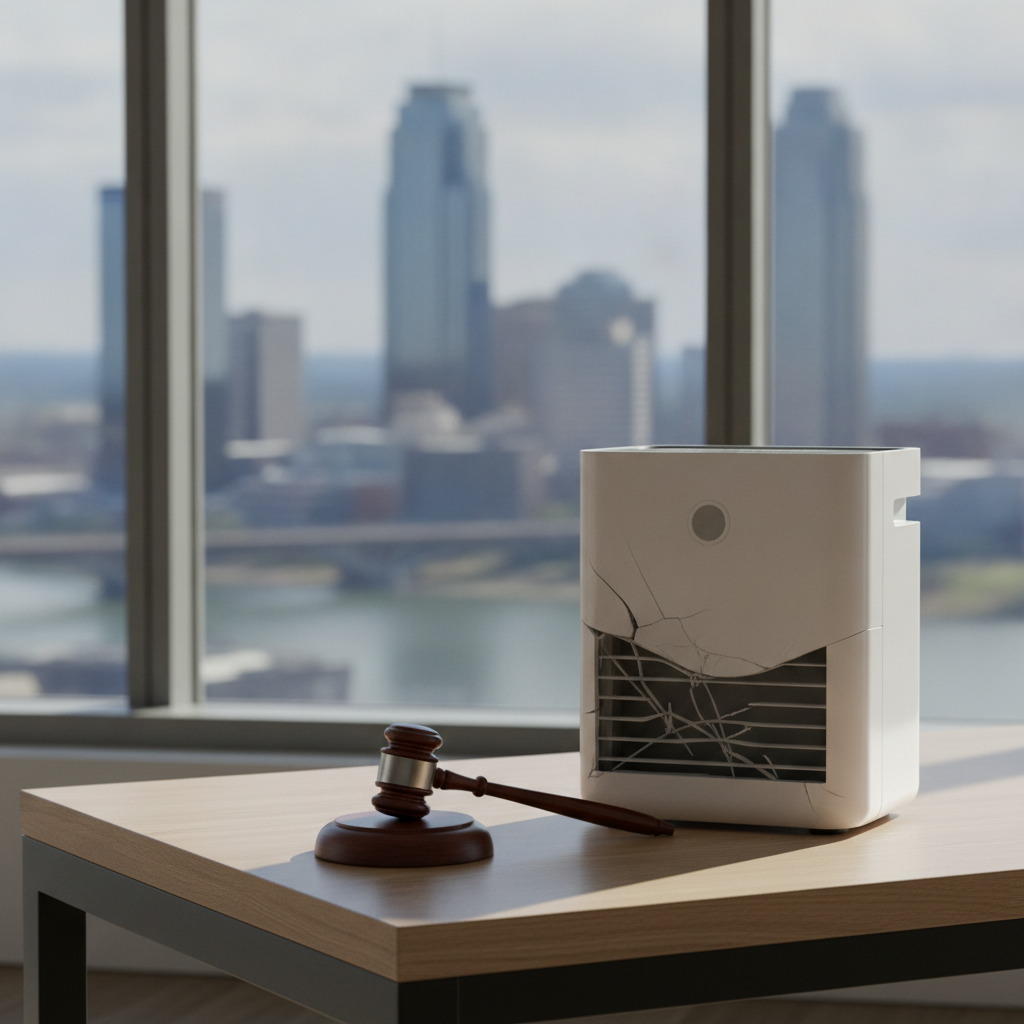
You bought it, plugged it in, and trusted it to work. Then it overheated, snapped, exploded, or failed at the worst possible moment, and now you are dealing with an injury, medical bills, and a pile of questions. Defective products hurt people every day, from space heaters and power tools to car parts, baby gear, and medical devices. The frustrating part is that most victims did nothing wrong. They used the item the way it was meant to be used. If you are searching for a personal injury lawyer Kansas City residents can rely on, understanding how these claims work is the first step toward holding the right companies responsible.
Defective product claims are different from a typical car crash or fall case. Instead of one at-fault person, you may be looking at a long chain of businesses: the designer, the factory, the parts supplier, the distributor, and the store that put the item on the shelf. Each one may carry a piece of responsibility, and each one will have its own insurers and lawyers. This guide walks through who can be sued, what you must prove, what evidence matters most, and the mistakes that quietly weaken otherwise strong claims. It is written for everyday readers, small business owners who sell or use products, and developers or engineers who want to understand where liability can land when something goes wrong.
Why Defective Product Injuries Are Their Own Kind of Claim
A defective product case asks a different question than most injury claims. Rather than asking whether someone was careless, the focus is often on whether the product itself was unreasonably dangerous when it left the seller's hands. That shift matters because it can make claims easier to pursue in some situations. You may not need to show exactly where in the factory something went wrong, only that the product was defective and that the defect caused your harm.
These cases also tend to involve more complexity than victims expect. Expert engineers, material testing, and internal company records often drive the outcome. That is why many families choose to click here and speak with a legal team early, before the damaged item is thrown away or the manufacturer starts shaping the story. Early action protects the physical evidence, and in these cases the product itself is often the single most important exhibit you own.
Who Can Be Held Responsible in the Supply Chain
One of the strengths of a product claim is that responsibility can reach beyond the company whose name is printed on the box. Under the broad framework of product liability, businesses along the distribution chain can face exposure when a dangerous item reaches a consumer. That can include the original manufacturer, the maker of a faulty component, an assembler, a wholesaler, and the retailer who sold it.
This matters for practical reasons. A foreign manufacturer may be difficult to sue or collect from, while a domestic distributor or retailer is easier to reach in court. Naming every responsible party also prevents companies from simply pointing fingers at one another. A retailer might blame the factory, the factory might blame a parts supplier, and the supplier might blame how the product was installed. When all of them are in the case, they have to answer for their own role instead of hiding behind someone else.
Retailers and Small Businesses That Sell Risky Products
Many readers assume only giant manufacturers face these lawsuits, but local sellers can be pulled in too. A neighborhood hardware store, an online reseller, or a small shop that rebrands imported goods may be treated as part of the chain of sale. For small business owners, that is a real risk worth understanding, because selling a product generally means taking on some responsibility for its safety.
Sellers can reduce their exposure with simple habits. Keep records of where inventory comes from, respond quickly to recall notices, remove recalled goods from shelves, and carry appropriate commercial insurance. Passing along warnings and instructions exactly as the maker provides them also helps. On the injured person's side, this means the retailer's records can become valuable evidence. Purchase logs, supplier contracts, and complaint files often show whether anyone knew about a hazard and failed to act. These records can fill gaps when the original manufacturer is overseas or no longer in business.
The Three Core Types of Product Defects
Most claims fall into one of three buckets, and identifying which one applies shapes the entire strategy. A design defect means the product was dangerous even when built exactly as planned, such as a ladder whose structure is inherently unstable. A manufacturing defect means a flaw crept in during production, so your unit differs from the safe version the company intended. A warning or instruction defect means the product lacked adequate directions or hazard notices that a reasonable user would need.
Some cases involve more than one type at the same time. A software-controlled device, for example, might have a coding flaw (design), a bad batch of components (manufacturing), and a manual that fails to explain a known risk (warning). Developers and product teams should pay attention here, because safety decisions made at the whiteboard stage can later become the center of a lawsuit. Choosing a cheaper component or skipping a safety feature may look efficient on a budget spreadsheet but look very different in front of a jury.
What You Need to Prove to Win
Even a strong-looking case needs solid proof, and a skilled Personal Injury Lawyer will organize the claim around a few essential elements. You generally need to show that the product was defective, that the defect existed when it left the defendant's control, that you used it in a reasonably expected way, and that the defect directly caused your injuries and losses.
Each piece takes work. Proving the defect usually requires an engineering review. Proving it existed at the time of sale means ruling out later damage or tampering. Showing reasonable use means documenting how you handled the item. Linking the defect to your injury requires medical records that connect the dots. The table below summarizes how these elements typically line up with the evidence that supports them.
Preserving the Product and Proof Before It Disappears
The most common and most costly mistake is losing the product. People understandably want a dangerous item out of the house, so they throw it away or send it back for a refund. Resist that urge. The defective item, even if burned, cracked, or destroyed, is the best evidence you have. Store it somewhere safe, avoid cleaning or repairing it, and keep it away from children and pets.
Beyond the product, gather everything connected to it. Keep the packaging, manuals, receipts, order confirmations, and any warranty cards. Photograph the item and the scene from several angles, and photograph your injuries as they heal. Write down what happened while memories are fresh, including the date, time, and what you were doing. Save any emails or messages with the seller or manufacturer. Check whether a recall was issued, since a recall notice can strongly suggest the company already knew about a hazard.
Common Products Behind Serious Injuries
Certain categories show up again and again in injury claims. Household appliances and space heaters can cause fires and burns. Power tools may kick back or lose safety guards. Vehicle components such as tires, airbags, and brakes can fail during ordinary driving. Children's products, including cribs, car seats, and toys, raise concerns about choking, strangulation, and falls. Medical devices and implants can malfunction inside the body, and lithium batteries in phones, vaping devices, and scooters have been tied to fires and explosions.
Not every bad outcome means a product was defective, of course. Some injuries come from misuse, ignored warnings, or normal wear. The key question is whether the item was unreasonably dangerous for its intended use. A careful review separates genuine defects from accidents that would have happened regardless, which saves you time and keeps expectations realistic before you commit to a lengthy legal fight.
Damages You May Be Able to Recover
Compensation in these cases is meant to cover the real impact of the injury on your life. Economic damages include emergency care, surgery, medication, rehabilitation, assistive devices, and ongoing treatment. They also cover lost wages and reduced earning ability if you cannot return to your old job. Property damage counts too, such as a home damaged by a fire that started with a faulty appliance.
Non-economic damages address pain, suffering, scarring, disfigurement, emotional distress, and the loss of activities you once enjoyed. In rare situations involving especially reckless corporate conduct, such as knowingly hiding a danger, additional punitive damages may be on the table, though these are never guaranteed and depend on the facts. If a loved one died because of a defective product, family members may pursue a wrongful death claim. Keeping a simple journal of symptoms, limitations, and missed events can help show the full human cost to an insurer or jury.
How Product Cases Differ From Crash Claims in Kansas City
If you have read about crash-related claims, you know many revolve around driver behavior and insurance coverage. A case involving Kansas City Drunk Driving Accident Lawsuits: Pursuing Compensation Beyond Insurance centers on one reckless individual and the policies behind them. Product claims flip that model. The wrongdoer is usually a company, the evidence is physical and technical, and the defendants often have significant resources and experienced defense teams.
That difference changes timing and cost. Expert witnesses are nearly always required, and manufacturers frequently fight hard rather than settle quickly. Some product injuries also overlap with vehicle events, such as a tire blowout that causes a wreck, which means both driver conduct and product quality may need investigation. Understanding which type of claim you truly have helps you choose the right strategy from the start.
Defenses Manufacturers and Sellers Commonly Raise
Expect the other side to push back. A frequent argument is misuse, claiming you used the product in a way it was never designed for. Another is that you ignored clear warnings or instructions. Companies may also claim the item was altered, poorly maintained, or damaged after it left their control, or that your injury came from something unrelated to the product.
Some defendants argue that you share part of the blame, which can reduce what you recover under comparative fault rules. Others point to compliance with industry standards as proof the product was safe, though meeting a standard does not always settle the question. A strong case anticipates each of these defenses early. Documenting how you used the product, keeping the item unaltered, and gathering independent expert analysis all make it harder for the defense to rewrite what happened.
Steps to Take in the First Days After an Injury
What you do right away can shape the entire claim. Follow this simple checklist while the details are still fresh:
- Get medical care immediately, even if the injury seems minor.
- Stop using the product and store it safely without altering it.
- Photograph the product, the scene, and your injuries.
- Save receipts, packaging, manuals, and any recall notices.
- Avoid giving recorded statements to the manufacturer's insurer without advice.
- Write down your account of events and the names of any witnesses.
Insurers sometimes contact victims quickly and sound friendly while steering the conversation toward admissions that hurt later. Politely decline to discuss fault until you have guidance. Similar caution applies across injury matters, as explained in Distracted Driving Injury Claims in Kansas City: Proving Phone Use Behind the Wheel, where early evidence handling also decides outcomes. Also remember that filing deadlines apply, so waiting too long can end a valid claim before it begins.
Your Next Steps
A defective product injury can feel overwhelming, especially when the company that sold the item acts as if nothing is wrong. But the law gives injured people real options. Responsibility can reach manufacturers, component makers, distributors, and retailers, and compensation can cover medical care, lost income, and the personal toll of recovery. The strength of your claim usually comes down to three things: preserving the product, documenting what happened, and moving before important deadlines pass.
If you are weighing whether to act, remember that you do not have to untangle the technical and legal questions alone. A personal injury lawyer Kansas City families turn to can review what happened, identify every responsible party, arrange expert testing, and handle the insurers so you can focus on healing. Many firms offer free initial consultations, so learning where you stand costs nothing. Whether you are a consumer, a small business owner, or a product developer thinking about safety obligations, understanding how these claims work helps you protect yourself and others. Take the first step now, keep that damaged product safe, and get answers while the evidence is still fresh.