

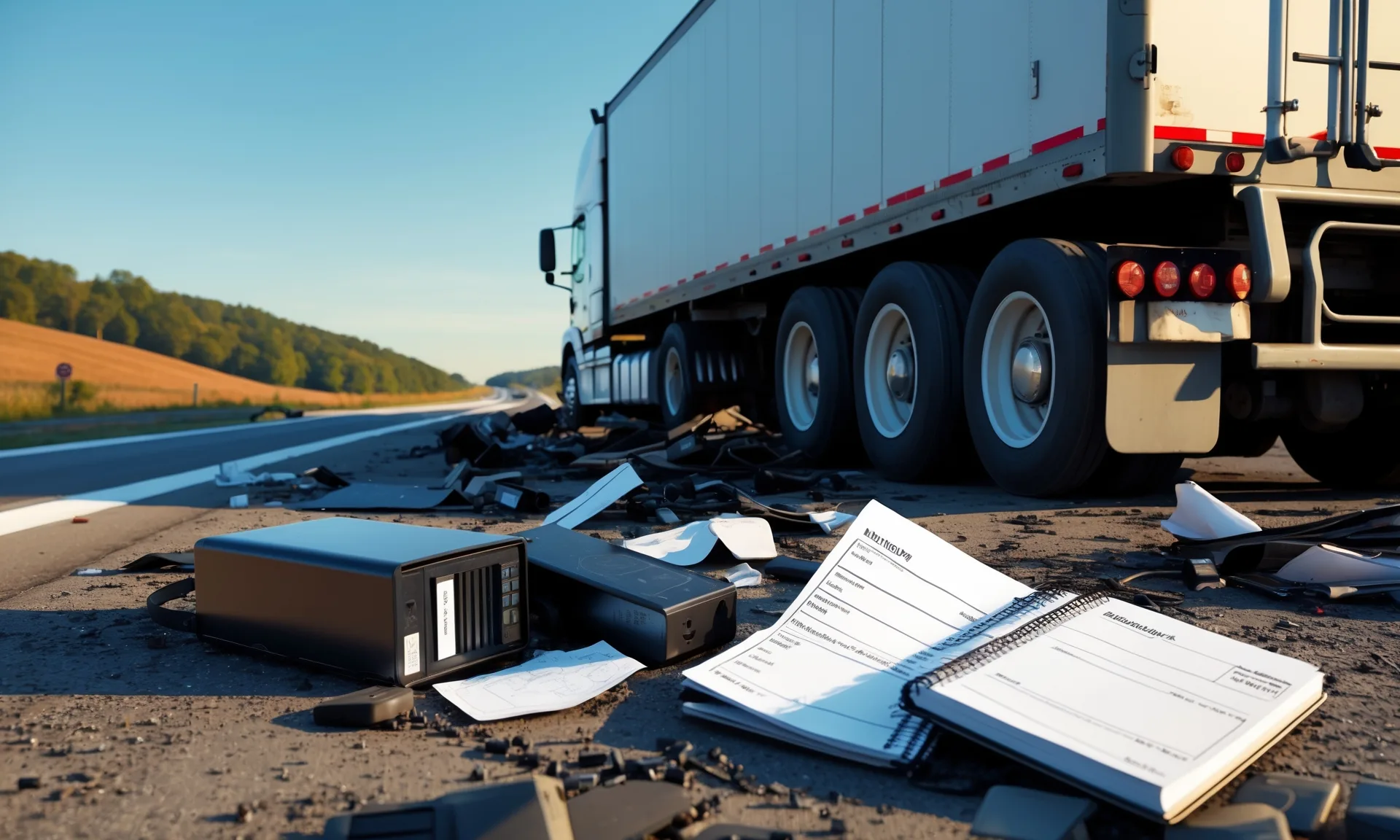

When a semi-truck accident happens, the aftermath can be overwhelming for everyone involved. For small business owners, developers, and everyday people, understanding what really matters in a Missouri semi-truck accident claim can make all the difference. The focus keyword for this article, “Missouri semi-truck accident claims,” is at the heart of every legal battle after a big rig crash. But what sets these cases apart from regular car accidents? The answer often lies in the hidden records: black box data, logbooks, and maintenance records. These technical details may sound dry, but they are the keys to unlocking the truth behind what happened—and to ensuring fair compensation for victims. In this article, we’ll break down why these records matter, how they’re used, and what you need to know if you ever find yourself or your business caught up in the aftermath of a semi-truck collision. Whether you’re trying to protect your company, your employees, or your own rights, this guide will help you understand the crucial role of evidence in Missouri semi-truck accident claims.
Missouri Semi-Truck Accident Claims in the Area
Missouri semi-truck accident claims are unique compared to typical car accident cases. The sheer size and weight of commercial trucks mean that collisions often result in more severe injuries and higher financial stakes. But it’s not just the scale of the crash that sets these cases apart—it’s the complexity of the evidence involved. Unlike standard car accidents, semi-truck crashes generate a wealth of technical data that can make or break a claim.
One of the most significant differences is the presence of the truck’s “black box,” also known as the Electronic Control Module (ECM). This device records crucial information such as speed, braking, and engine performance leading up to the moment of impact. In Missouri semi-truck accident claims, black box data can provide an objective account of what happened, often cutting through conflicting witness statements or driver recollections. For small business owners who rely on commercial vehicles, understanding how this data is retrieved and preserved is essential for both defending against and pursuing claims.
Additionally, trucking companies are required by law to maintain detailed logbooks and maintenance records. These documents track driver hours, vehicle inspections, and repairs. In the area, legal teams often scrutinize these records to uncover violations of federal or state regulations, such as hours-of-service breaches or skipped safety checks. Such violations can establish negligence or even recklessness, dramatically increasing the potential value of a claim.
For anyone facing the aftermath of semi truck crashes, knowing where to find and how to interpret this evidence is a game-changer. It’s not just about proving who was at fault—it’s about ensuring that victims receive the compensation they deserve and that responsible parties are held accountable. In Missouri semi-truck accident claims, the details hidden in these technical records often tip the scales of justice.
Missouri Semi-Truck Accident Claims in Kansas City, MO
In Missouri semi-truck accident claims, the local legal landscape can be challenging to navigate. The region is a major hub for freight and logistics, with thousands of trucks passing through daily. This high volume of commercial traffic increases the risk of serious collisions, making it vital for residents and business owners to understand their rights and responsibilities.
One of the first steps after a semi-truck accident is to ensure that all relevant evidence is preserved. Trucking companies often have rapid-response teams who arrive at crash scenes quickly to collect data and protect their interests. This can put injured parties at a disadvantage if they don’t act fast. In Missouri semi-truck accident claims, it’s crucial to request the preservation of black box data, logbooks, and maintenance records immediately. Waiting too long can result in the loss or alteration of critical information.
Legal professionals experienced in handling these cases know how to issue formal “spoliation” letters, which are legal demands to prevent the destruction or tampering of evidence. This step is particularly important in the region, where trucking companies may be headquartered far from the crash site. Ensuring that all records are preserved can make a significant difference in the outcome of a claim.
For those seeking guidance, consulting a Kansas City car accident lawyer can be invaluable. These professionals understand the nuances of Missouri semi-truck accident claims and can help victims and business owners navigate the complex process of gathering and analyzing technical evidence. By acting quickly and decisively, claimants can level the playing field and increase their chances of a successful outcome.
Missouri Semi-Truck Accident Claims in Kansas City, Missouri
Missouri semi-truck accident claims in this city are often shaped by the interplay between federal trucking regulations and state law. The Federal Motor Carrier Safety Administration (FMCSA) sets strict rules for commercial drivers, including limits on driving hours, mandatory rest periods, and vehicle maintenance standards. When a crash occurs, investigators will scrutinize whether these regulations were followed.
Black box data is particularly valuable in revealing whether a driver exceeded speed limits or failed to brake in time. Logbooks can show if the driver was on the road longer than allowed, potentially leading to fatigue-related errors. Maintenance records might uncover a pattern of neglected repairs or skipped inspections. In Missouri semi-truck accident claims, this combination of evidence can prove not only negligence but also a disregard for public safety.
For small business owners who operate commercial vehicles, maintaining accurate and up-to-date records is not just a legal requirement—it’s a critical defense against liability. Conversely, for those injured in a semi-truck collision, these records are often the best way to establish fault and secure compensation. The stakes are high, and the evidence is technical, but with the right approach, justice can be served.
If you or your business is facing a claim, working with a knowledgeable Kansas City personal injury lawyer can help ensure that all relevant evidence is identified and preserved. These professionals know how to dig deep into the technical details, turning complex data into compelling arguments that can sway insurance adjusters, judges, and juries alike.
The Role of Black Box Data in Missouri Semi-Truck Accident Claims
Black box data has revolutionized the way Missouri semi-truck accident claims are investigated and litigated. These electronic devices, officially called Electronic Control Modules (ECMs), record a wealth of information about a truck’s operation in the moments before and during a collision. Data points can include speed, throttle position, brake application, engine RPM, and even seatbelt usage.
For claimants, black box data provides an objective account of the crash, often clarifying disputed facts. For example, if a truck driver claims to have braked suddenly to avoid a hazard, the ECM can confirm or contradict that statement. Similarly, if there’s a question about whether the truck was speeding or if the driver attempted to swerve, the data offers concrete answers. In Missouri semi-truck accident claims, this level of detail can be the difference between a successful claim and a denied one.
However, accessing and interpreting black box data requires technical expertise. The data must be downloaded using specialized equipment, and its analysis often involves working with expert witnesses who can explain its significance in plain language. For small businesses, investing in proper training and equipment for their fleet can be a proactive step to protect themselves in the event of a claim. For victims, ensuring that their legal team has access to this data is critical for building a strong case.
To understand how black box data fits into the broader picture of trucking insurance and compensation, see Commercial Insurance, Policy Limits, and Missouri Semi-Truck Injury Compensation in 2026 for a deeper dive into how these claims are valued and resolved.
Logbooks and Maintenance Records: The Paper Trail That Matters
While black box data provides a snapshot of the moments leading up to a crash, logbooks and maintenance records tell the story of a truck’s operation over time. In Missouri semi-truck accident claims, these documents are often the linchpin of the case. Logbooks track driver hours, rest breaks, and routes, ensuring compliance with federal regulations designed to prevent fatigue and promote safety. Maintenance records detail inspections, repairs, and recurring mechanical issues.
When a semi-truck accident occurs, investigators will comb through these records looking for red flags. Did the driver exceed maximum hours behind the wheel? Were required inspections skipped or falsified? Was a known mechanical problem left unaddressed? Any of these issues can establish negligence or even gross misconduct, leading to higher damages or punitive awards in Missouri semi-truck accident claims.
For small businesses, maintaining accurate and thorough records is not just about compliance—it’s about risk management. A single missing log entry or overlooked maintenance issue can expose a company to significant liability. For those pursuing a claim, these records are often the best way to prove a pattern of unsafe practices.
When disputes arise about who was at fault or whether regulations were followed, the paper trail can make all the difference. For more on how fault is determined when stories conflict, see When Both Drivers Blame Each Other: Missouri Fault Disputes in Injury Claims.
How Evidence Is Secured and Analyzed in Missouri Semi-Truck Accident Claims
Securing and analyzing evidence is a critical step in Missouri semi-truck accident claims. The process typically begins at the crash scene, where law enforcement and sometimes private investigators gather initial data. However, much of the most valuable evidence—like black box data and logbooks—must be preserved by the trucking company. This is why legal teams act quickly to send preservation letters and, if necessary, file court motions to prevent the destruction or alteration of records.
Once preserved, the evidence is analyzed by experts who can interpret technical data and spot inconsistencies. For example, if a logbook shows a driver was resting, but the black box data indicates the truck was moving, this discrepancy could point to falsified records. Similarly, maintenance logs that don’t match repair shop invoices can signal attempts to cover up safety issues.
This process is highly technical and often requires collaboration between attorneys, accident reconstructionists, and industry experts. For small business owners, having protocols in place to ensure records are accurate and accessible can streamline this process and reduce legal exposure. For claimants, working with a team that understands the intricacies of Missouri semi-truck accident claims is essential for building a compelling case.
Common Challenges in Missouri Semi-Truck Accident Claims
Missouri semi-truck accident claims are rarely straightforward. One of the biggest challenges is the potential for evidence to be lost, destroyed, or altered before it can be reviewed. Trucking companies may only retain black box data for a limited time, and logbooks can be handwritten or digital, each with its own vulnerabilities. Maintenance records may be scattered across multiple locations or vendors, making them difficult to track down.
Another challenge is the complexity of the evidence itself. Interpreting black box data requires specialized knowledge, and discrepancies between records can be subtle or easily overlooked. Insurance companies often have teams of experts working to minimize payouts, so claimants must be equally prepared to present clear, compelling evidence.
For small businesses, the challenge is twofold: not only must they defend against claims, but they must also ensure their own records are in order to avoid unnecessary liability. Regular audits, staff training, and the use of digital record-keeping systems can help mitigate these risks. For individuals, partnering with experienced legal professionals who understand the nuances of Missouri semi-truck accident claims is the best way to overcome these obstacles and secure a fair outcome.
Table: Key Evidence in Missouri Semi-Truck Accident Claims
Best Practices for Small Businesses and Individuals
For small business owners and individuals, proactively managing the risks associated with Missouri semi-truck accident claims is essential. Here are some best practices to consider:
- Invest in digital logbook and maintenance tracking systems to ensure records are accurate and easily accessible.
- Train drivers and staff on the importance of compliance with federal and state regulations.
- Conduct regular audits of logbooks and maintenance records to catch discrepancies early.
- Establish clear protocols for preserving evidence in the event of a crash, including immediate notification of legal counsel.
- Stay informed about changes in trucking laws and technology that may impact your operations or liability.
For individuals involved in a semi-truck accident, acting quickly to secure legal representation and preserve evidence can make a significant difference. Understanding the types of evidence that matter most in Missouri semi-truck accident claims empowers you to take control of the situation and protect your rights.
The Road Ahead
Missouri semi-truck accident claims are complex, high-stakes matters that require a deep understanding of both the law and the technical evidence involved. Black box data, logbooks, and maintenance records aren’t just paperwork—they’re the foundation of a strong case, whether you’re seeking compensation or defending your business. By acting quickly to preserve evidence, working with experienced professionals, and staying proactive about compliance, you can navigate these challenging situations with confidence. Remember, in the world of Missouri semi-truck accident claims, the details matter—and knowing how to find and use them can make all the difference for your future.
Related Service
Looking for professional Truck Accident Injury Lawyers , MO in Kansas City?
Visit our dedicated service page to learn more about what we offer in Kansas City, MO.
Truck Accident Injury Lawyers Kansas City, MO →