
When Both Drivers Blame Each Other: Missouri Fault Disputes in Injury Claims

When both drivers blame each other after a crash, injury claims can quickly become a tangled web of accusations, uncertainty, and stress. For small business owners, developers, and residents in the area, understanding how fault is determined in these disputes is critical—especially when it comes to semi truck crashes and complex insurance negotiations. Missouri’s comparative fault system means that even a small percentage of blame can dramatically impact compensation. This article breaks down how these disputes unfold, what evidence truly matters, and why having the right legal strategy can make all the difference. Whether you’re facing a stubborn insurance adjuster or just want to be prepared for the unexpected, we’ll guide you through the key steps and strategies for resolving Missouri fault disputes, maximizing your claim, and protecting your interests when the blame game begins.
Missouri Fault Disputes in Injury Claims: Kansas City Insights
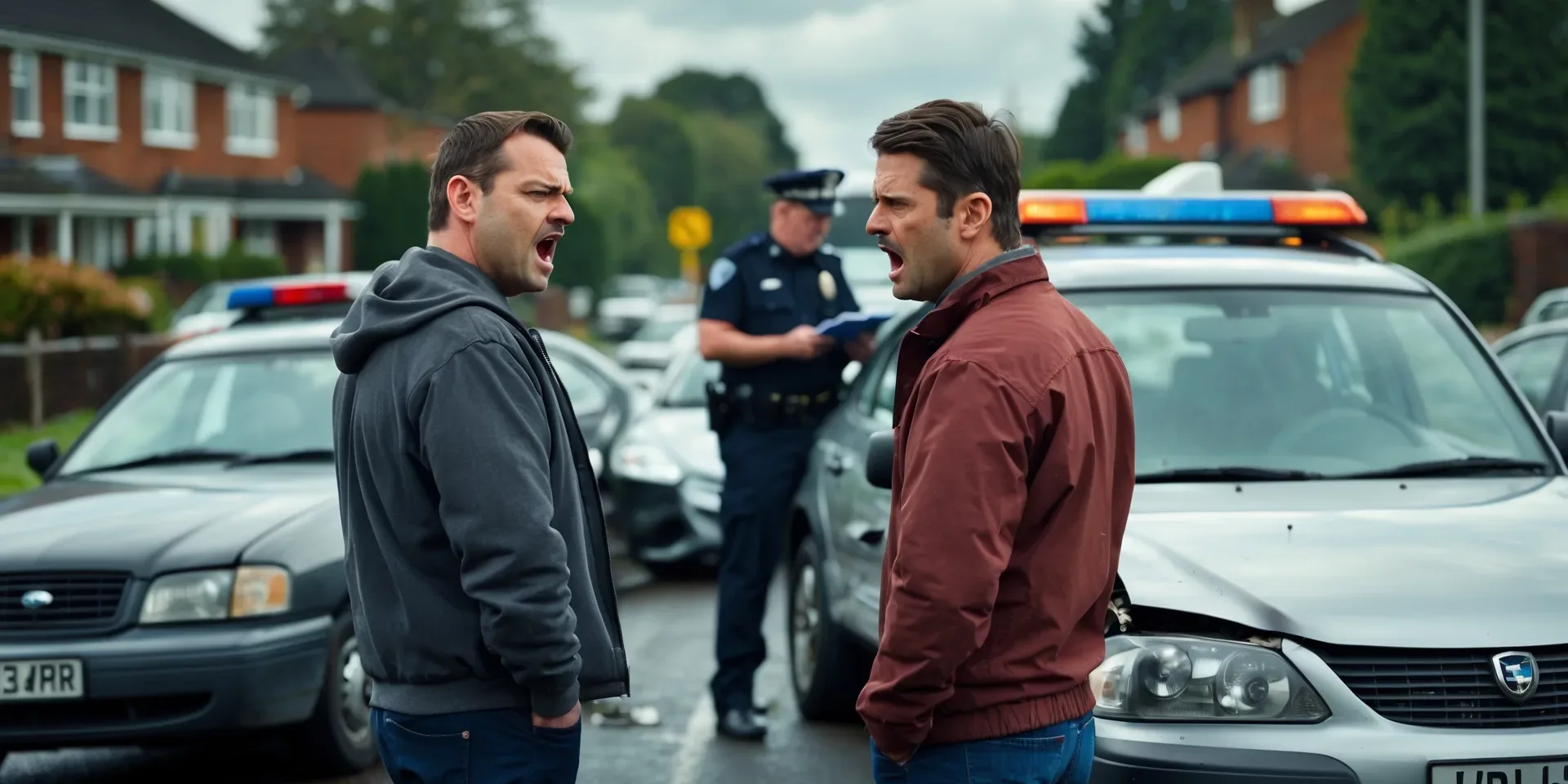
Missouri’s roads see their fair share of collisions, but few situations are as frustrating as when both drivers blame each other for what happened. This is especially true in cases involving semi truck crashes, where the stakes are high and the details are often hotly contested. In these scenarios, the process of determining fault isn’t just about who says what—it’s about evidence, strategy, and understanding how Missouri law works.
Missouri follows a pure comparative fault system, which means each party’s share of blame is carefully calculated and directly affects the compensation they can receive. For example, if you’re found to be 30% at fault, your damages are reduced by that percentage. This system makes every detail, from witness statements to vehicle damage, incredibly important. Insurance companies know this, and they often use it to their advantage by pitting drivers’ stories against each other or highlighting any inconsistency in your account.
If you’re involved in a situation where both drivers are pointing fingers, it’s crucial to start gathering evidence immediately. This includes photos, police reports, and contact information for any witnesses. In the case of semi truck crashes, there may also be electronic logging data, cargo records, and maintenance logs that can help clarify what really happened. The more thorough your documentation, the stronger your position will be when negotiating with insurers or presenting your case in court.
Ultimately, understanding the nuances of Missouri’s fault laws and being proactive in your response can mean the difference between a denied claim and a favorable settlement. In the following sections, we’ll explore how these disputes play out, what evidence is most persuasive, and how to navigate the process if you find yourself caught in the middle of a blame game.
Missouri Fault Disputes in Injury Claims: Kansas City, MO Strategies
When a crash happens in Kansas City, MO, and both drivers refuse to accept responsibility, the claim process can become a drawn-out battle. Insurance adjusters are trained to look for any opportunity to reduce their company’s liability, and conflicting stories give them plenty of ammunition. This is where having a Kansas City car accident lawyer can be invaluable.
Lawyers experienced in Missouri fault disputes know how to cut through the noise and focus on the facts. They understand which pieces of evidence carry the most weight—such as traffic camera footage, accident reconstruction reports, and expert testimony. In semi truck crashes, for instance, the driver’s hours-of-service logs or maintenance records can reveal whether fatigue or mechanical failure played a role, shifting blame away from you.
It’s also important to remember that Missouri’s comparative fault system allows for partial recovery even if you share some blame. The key is minimizing your percentage of fault as much as possible. This is where strategic negotiation comes into play. A skilled attorney will challenge the other driver’s account, highlight inconsistencies, and present a compelling narrative supported by hard evidence.
For small business owners and professionals who rely on their vehicles, a prolonged dispute can be more than just an inconvenience—it can disrupt operations and impact your bottom line. That’s why it’s essential to act quickly, document everything, and seek legal guidance when necessary. The right approach can turn a seemingly deadlocked dispute into a successful claim.
Missouri Fault Disputes in Injury Claims: Kansas City Missouri Realities
In this city, the realities of fault disputes are shaped by local traffic patterns, insurance practices, and the unique challenges of semi truck crashes. When both drivers blame each other, the process often hinges on more than just statements—it’s about piecing together a puzzle from physical evidence, expert analysis, and sometimes even public records.
One of the most common misconceptions is that the police report will decide who’s at fault. While these reports are important, they are not the final word. Insurance companies conduct their own investigations, and their conclusions may differ from those of law enforcement. This is why it’s so important to collect your own evidence and not rely solely on official reports.
A Kansas City personal injury lawyer can help you understand how to leverage all available resources, from accident reconstructionists to surveillance footage from nearby businesses. In semi truck crashes, federal regulations can also come into play, potentially exposing additional parties to liability beyond just the drivers involved.
Ultimately, the realities of fault disputes in this community demand a proactive, evidence-driven approach. By understanding the local landscape and working with professionals who know the system, you can level the playing field and improve your chances of a fair outcome.
How Insurance Companies Handle Missouri Fault Disputes
When both drivers blame each other, insurance companies step in as the ultimate arbiters of fault—at least initially. Their adjusters are trained to scrutinize every detail, searching for ways to shift blame and reduce payouts. This is especially true in semi truck crashes, where the financial stakes are high and the investigations are more complex.
Insurance adjusters will review police reports, interview witnesses, and analyze photos of the scene. They may even consult accident reconstruction experts or request additional documentation, such as cell phone records or vehicle data. However, it’s important to remember that their goal is to protect their company’s bottom line, not necessarily to uncover the full truth.
If you find yourself in a dispute, don’t be surprised if the insurer tries to split fault evenly or assigns you a higher percentage of blame than you believe is fair. This is a common tactic designed to minimize their liability. In these situations, understanding your rights and being prepared to push back with solid evidence is essential.
For more on how additional parties can be held responsible in truck crash claims, see Missouri Semi-Truck Crash Liability: How Truck Owners, Brokers, and Shippers Can Be Sued.
The bottom line is that insurance companies are not neutral. They have a vested interest in reducing their exposure, and they will use any ambiguity to their advantage. Being proactive, organized, and persistent is the best way to ensure your side of the story is heard and your claim is fairly evaluated.
Key Evidence That Can Tip the Scales
When both drivers blame each other, the outcome of your claim often hinges on the quality and quantity of evidence you can provide. Missouri fault disputes are rarely resolved by words alone—hard proof is what moves the needle. Here are some types of evidence that can make a decisive difference:
- Photographs of the scene, vehicle damage, skid marks, and weather conditions
- Statements from unbiased witnesses who saw the crash unfold
- Police reports and officer observations
- Surveillance or dashcam footage
- Electronic data from vehicles, especially in semi truck crashes
- Expert opinions from accident reconstructionists
Sometimes, the smallest detail can tip the scales. For example, a single photo showing the position of vehicles after impact or a timestamped video can clarify what really happened. In rear-end collisions, exceptions to the usual rules can apply. For more on these nuances, check out Stopping Short, Braking Hard, and Other Exceptions to Rear-End Fault in Missouri.
Collecting and preserving evidence should begin as soon as possible after the crash. The more comprehensive your documentation, the stronger your negotiating position will be—whether you’re dealing with an insurer or preparing for court.
Comparative Fault in Missouri: How Percentages Affect Your Claim
Missouri’s comparative fault system is designed to assign a percentage of blame to each party involved in a crash. This percentage directly impacts the amount of compensation you can recover. For example, if a jury finds you 20% at fault and your damages total $100,000, you would receive $80,000. This system can be both a blessing and a curse, depending on how fault is allocated.
The challenge in Missouri fault disputes is that the allocation of blame is rarely clear-cut. Insurance companies will often argue for a higher percentage against you, especially when both drivers blame each other. This is why presenting strong evidence and a persuasive narrative is so important.
In semi truck crashes, comparative fault can become even more complicated. Multiple parties—such as the trucking company, cargo loaders, or maintenance providers—may share responsibility. Identifying all potentially liable parties and understanding how their actions contributed to the crash is crucial for maximizing your recovery.
The table below illustrates how different fault percentages can affect your compensation in a typical Missouri injury claim:
| Your Fault (%) | Total Damages | Your Recovery |
|---|---|---|
| 0% | $100,000 | $100,000 |
| 10% | $100,000 | $90,000 |
| 25% | $100,000 | $75,000 |
| 50% | $100,000 | $50,000 |
| 75% | $100,000 | $25,000 |
As you can see, even a small shift in fault percentage can have a significant impact on your recovery. That’s why it’s so important to fight for every percentage point in Missouri fault disputes.
Common Mistakes That Hurt Missouri Fault Disputes
When both drivers blame each other, it’s easy to make mistakes that can undermine your claim. One of the most common errors is making statements at the scene that can be used against you later. Even a simple apology can be twisted into an admission of guilt by insurance companies.
Another mistake is failing to gather enough evidence. Relying solely on the police report or assuming the insurer will be fair can leave you vulnerable. In semi truck crashes, not requesting critical records—like driver logs or maintenance histories—can mean missing out on key evidence that could shift the balance in your favor.
Delaying medical treatment is another pitfall. Insurance companies may argue that your injuries were not serious or were unrelated to the crash if you wait too long to seek care. Always document your injuries and follow through with recommended treatment.
Finally, trying to handle complex Missouri fault disputes without legal help can be risky. The rules are nuanced, and the opposition is often well-prepared. Consulting with an experienced professional can help you avoid costly mistakes and put your claim on solid ground.
Proactive Steps to Strengthen Your Claim
If you find yourself in a situation where both drivers blame each other, taking proactive steps can make all the difference. Start by documenting everything at the scene—take photos, collect witness information, and write down your own account while the details are fresh.
Request a copy of the police report, but don’t stop there. Look for additional sources of evidence, such as nearby security cameras or dashcam footage. In semi truck crashes, ask for the truck’s electronic logging device data and maintenance records.
Communicate carefully with insurance adjusters. Stick to the facts and avoid making speculative or emotional statements. If you’re unsure about what to say, consult with a legal professional before giving a recorded statement.
Keep detailed records of your injuries, treatments, and any expenses related to the crash. The more organized your documentation, the easier it will be to demonstrate your losses and counter any attempts to minimize your claim. Being proactive is your best defense in Missouri fault disputes.
Final Thoughts
Missouri fault disputes can be challenging, especially when both drivers blame each other and the facts are anything but clear. Whether you’re dealing with a semi truck crash or a more routine collision, understanding how fault is determined and what steps to take can make all the difference in the outcome of your claim. By gathering strong evidence, avoiding common mistakes, and seeking professional guidance when needed, you can protect your interests and maximize your recovery. Remember, in Missouri, every percentage point of fault matters—so don’t leave your claim to chance. Be proactive, stay organized, and don’t hesitate to advocate for yourself when the blame game begins.
Related Service
Looking for professional Car Accident Injury Lawyers , MO in Kansas City?
Visit our dedicated service page to learn more about what we offer in Kansas City, MO.