
Kansas City Slip and Fall Cases: When a Store, Landlord, or Manager Can Be Held Responsible
Slip and fall accidents can happen in the blink of an eye, but their consequences often linger far longer. For small business owners, property managers, and residents alike, understanding when a store, landlord, or manager can be held responsible is crucial. Whether you’re a developer overseeing a new retail space, a landlord managing apartments, or simply a shopper in the area, knowing your rights and obligations can make all the difference if an accident occurs. With the help of a slip and fall lawyer KC residents trust, navigating these complex cases becomes less daunting. This article explores the key factors that determine liability, the responsibilities of property owners and managers, and what steps both injured parties and businesses should take after a fall. We’ll break down the nuances that set these cases apart, offer practical guidance, and highlight what you need to know to protect yourself and your business from legal and financial risk.
When Is a Store or Landlord Responsible?
Determining when a store, landlord, or property manager is responsible for a slip and fall accident involves examining several key factors. The central question is whether the property owner or manager failed to maintain a safe environment for visitors. Liability often hinges on whether there was a dangerous condition on the premises, such as a wet floor, uneven pavement, or poor lighting, and whether the responsible party knew or should have known about the hazard.
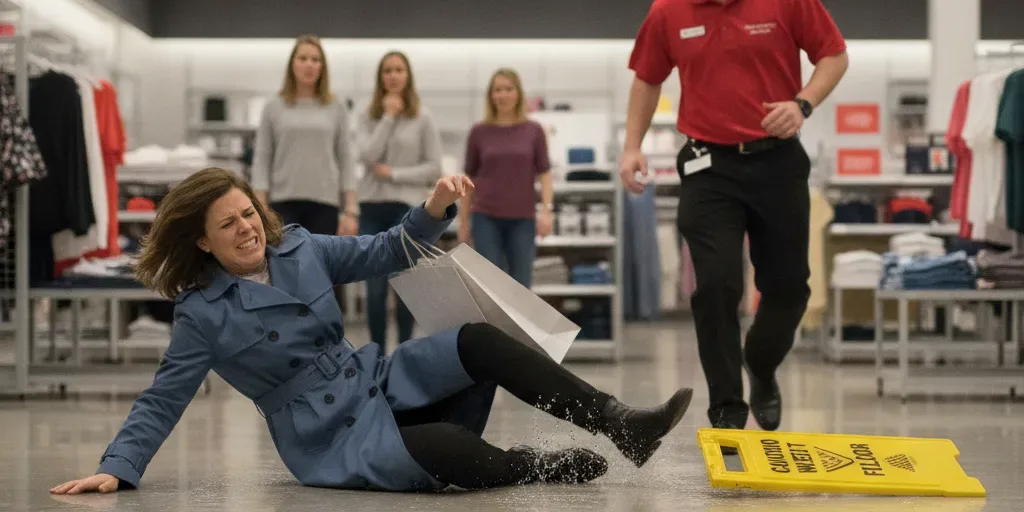
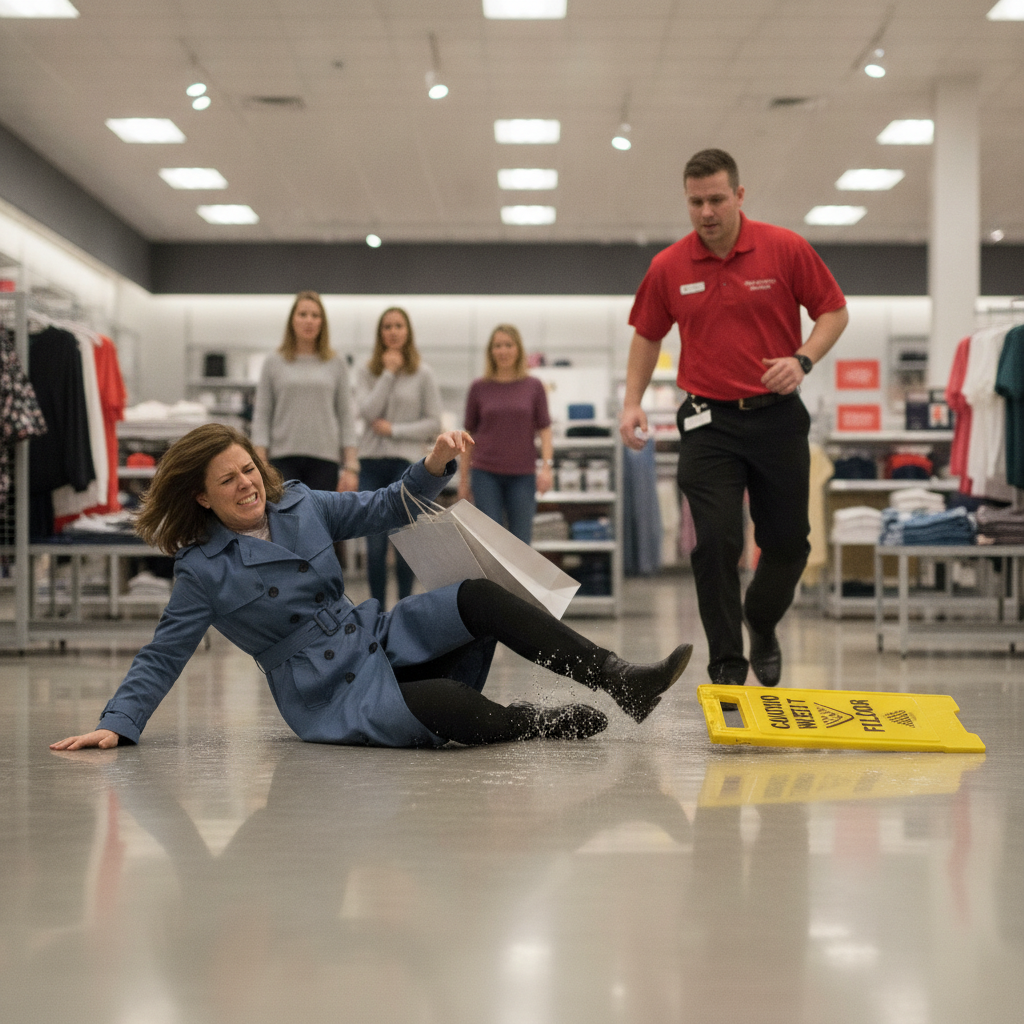
For example, if a store employee mops the floor and neglects to put up a warning sign, customers may not be aware of the slippery surface. If someone slips as a result, the store could be held liable for not providing adequate warning. Similarly, landlords are expected to keep common areas like hallways and stairwells free from hazards. If a tenant reports a broken step and the landlord fails to repair it in a reasonable time, they may be responsible if someone is injured.
The law generally requires property owners and managers to exercise reasonable care in maintaining their premises. However, they are not automatically liable for every accident. The injured person must show that the owner or manager was negligent in some way. This is where consulting a slip and fall lawyer KC residents rely on can be invaluable for understanding the specifics of your case and gathering the necessary evidence.
Understanding the Duty of Care in Premises Liability
The concept of “duty of care” is central to slip and fall cases. Property owners and managers have a legal obligation to keep their premises reasonably safe for visitors, tenants, and customers. This duty varies depending on the type of property and the relationship between the parties. For instance, a business that invites customers onto its property for commercial purposes typically owes a higher duty of care than a private homeowner does to a social guest.
Duty of care means regular inspections, prompt repairs, and clear warnings about known dangers. For landlords, this can include maintaining stairwells, lighting, and entryways. For store owners, it means monitoring aisles for spills or obstacles and addressing them quickly. Failing to do so can result in liability if someone is hurt as a result of that negligence.
Understanding the nuances of duty of care is essential for both property owners and those injured in a fall. If you’re unsure about your responsibilities or rights, reaching out to a firm like Kendall Law Group | Personal Injury Lawyer can help clarify your next steps and ensure you’re protected.
Common Hazards That Lead to Liability
Certain hazards are more likely than others to result in slip and fall claims. These include wet or freshly waxed floors, uneven sidewalks, loose carpeting, poor lighting, and cluttered walkways. In commercial settings, spills from food or merchandise are frequent culprits. In residential buildings, broken stairs or icy entryways often pose risks.
The key to liability is whether the property owner or manager knew, or should have known, about the hazard and failed to address it. For example, if a spill occurs in a grocery store and is not cleaned up within a reasonable time, the store may be liable if a customer falls. However, if the hazard appeared moments before the accident and staff had no reasonable opportunity to fix it, liability may not attach.
For a deeper dive into what property owners must do to keep visitors safe, see Kansas City Slip and Fall Claims: What Property Owners Must Do to Keep Visitors Safe for more insights on local standards and best practices.
How Managers and Employees Impact Liability
The actions of managers and employees play a significant role in determining liability for slip and fall incidents. Even if the property owner is not present, their staff’s conduct can create or mitigate risk. For example, if an employee fails to promptly clean up a known spill or ignores a customer’s report of a hazard, the business may be responsible for resulting injuries.
Training is crucial. Businesses and landlords should ensure that all staff are trained to identify and address hazards quickly. This includes regular walk-throughs, using warning signs, and documenting maintenance activities. Proper documentation can help defend against claims by showing that reasonable steps were taken to maintain safety.
In some cases, liability may extend to third-party contractors, such as cleaning crews or maintenance workers. If their negligence leads to an unsafe condition, both the contractor and the property owner could be named in a lawsuit. For additional context on how outside factors, including government maintenance, can impact liability, see Government Road Defects and Missouri Truck Accidents: When Poor Maintenance Becomes Liability.
Proving Negligence in Slip and Fall Cases
To succeed in a slip and fall claim, the injured party must prove that the property owner or manager was negligent. This involves showing that a dangerous condition existed, the responsible party knew or should have known about it, and failed to take appropriate action. Evidence such as photographs, witness statements, maintenance logs, and incident reports can be critical.
Negligence is not always straightforward. Sometimes, the hazard may have existed for only a short time, or the property owner may argue that the injured person was not paying attention. Courts will consider whether the owner’s actions were reasonable under the circumstances. For business owners and landlords, keeping thorough records of inspections and repairs can help demonstrate that they met their obligations.
For those pursuing a claim, gathering evidence as soon as possible after the incident is vital. This can include taking photos of the hazard, collecting names of witnesses, and preserving any relevant documentation. Consulting a legal professional early can help ensure that critical evidence is not lost.
Comparative Fault and Its Impact on Claims
In many slip and fall cases, the concept of comparative fault comes into play. This means that if the injured person was partially responsible for their own accident, their compensation may be reduced. For example, if someone was texting while walking and failed to notice a clearly marked wet floor sign, a court might assign them a percentage of fault.
For business owners and landlords, demonstrating that reasonable warnings were provided or that the hazard was open and obvious can be an effective defense. On the other hand, injured parties should be prepared to show that they acted reasonably and were not engaging in risky behavior at the time of the fall.
Understanding how comparative fault works is essential for all parties involved. It can significantly impact the outcome of a claim and the amount of damages awarded. Clear communication, documentation, and awareness of surroundings are key factors in both preventing accidents and defending against claims.
Steps to Take After a Slip and Fall Accident
If you experience a slip and fall, the steps you take immediately afterward can greatly affect your ability to recover damages or defend against a claim. First, seek medical attention for any injuries, even if they seem minor. Prompt documentation of injuries can be crucial for both health and legal reasons.
Next, report the incident to the property owner, manager, or an employee. Ask for a written report and request a copy for your records. Take photographs of the scene, including the hazard that caused your fall, and collect contact information for any witnesses. Keep any clothing or shoes worn at the time, as they may serve as evidence.
For business owners and landlords, responding promptly and professionally to an incident report is vital. Document your response, preserve any surveillance footage, and review your safety protocols. Taking these steps can help protect your interests and demonstrate your commitment to safety.
Preventative Measures for Businesses and Landlords
Prevention is always better than dealing with the aftermath of an accident. For business owners and landlords, implementing proactive safety measures can reduce the risk of slip and fall incidents and limit liability. Regular inspections, prompt repairs, and clear signage are essential components of a strong safety program.
Employee training is another critical factor. Staff should be trained to recognize hazards, respond quickly, and document their actions. For landlords, maintaining common areas and responding promptly to tenant concerns can help prevent accidents and build trust with residents.
Below is a table outlining common preventative measures and their benefits for property owners and managers.
| Preventative Measure | Benefit |
|---|---|
| Regular Inspections | Identify hazards early and address them before accidents occur |
| Prompt Repairs | Reduce exposure to liability by fixing issues quickly |
| Clear Warning Signs | Alert visitors to temporary hazards and reduce risk of claims |
| Employee Training | Ensure staff can recognize and respond to risks effectively |
| Documentation | Provides evidence of due diligence in the event of a claim |
Insurance Considerations for Slip and Fall Liability
Insurance plays a pivotal role in managing the risks associated with slip and fall incidents. Most businesses and landlords carry general liability insurance, which can cover medical expenses, legal fees, and settlements resulting from accidents on their property. However, policy details vary, and not all incidents may be covered.
It’s important to review your policy regularly to ensure adequate coverage and to understand any exclusions or limitations. For example, some policies may not cover accidents resulting from gross negligence or intentional misconduct. Keeping detailed records of maintenance, inspections, and incident responses can help streamline the claims process and demonstrate your commitment to safety.
For those injured in a fall, understanding the property owner’s insurance coverage can help in seeking compensation. In some cases, your own health insurance may also play a role in covering initial medical costs while a claim is pending.
Legal Timelines and the Importance of Acting Quickly
Timing is critical in slip and fall cases. There are strict deadlines, known as statutes of limitations, for filing a claim. Missing these deadlines can result in losing the right to seek compensation altogether. While the specific timeframes vary by state and the nature of the property, it’s always best to act promptly after an accident.
For property owners and managers, responding quickly to incident reports and preserving evidence is equally important. Delays can make it harder to defend against claims and may be viewed as negligence. Prompt action demonstrates your commitment to safety and can help resolve disputes before they escalate.
If you’re unsure about the legal timelines or what steps to take, consulting with a knowledgeable attorney can help ensure your rights are protected and deadlines are met.
Final Thoughts
Slip and fall cases are rarely simple, and the stakes can be high for both injured individuals and property owners. Understanding when a store, landlord, or manager can be held responsible is essential for protecting your rights and your business. By staying proactive with safety measures, maintaining clear documentation, and acting quickly after an incident, you can reduce risk and improve outcomes. If you’re facing a slip and fall claim or want to ensure your property is as safe as possible, seeking guidance from an experienced legal professional can make all the difference. Remember, the best defense is always prevention, but knowing how to respond when accidents do happen ensures you’re prepared for whatever comes next.